
Lowick: A Village Shaped by Stone, Woodland, and Its Historic Estate
Northamptonshire has been touted as the next Cotswolds — a county steeped in picturesque villages, rolling countryside, and timeless charm just waiting to be explored.
It’s also a county rich in heritage, boasting more country homes than any other in England.
Nestled in the north of the county, near the border of Cambridgeshire, the village of Lowick has recently found itself in the spotlight thanks to its association with the film Saltburn. While much of the cinematic attention centres on the grand estate featured in the movie—Saltburn, directed by Emerald Fennell—Lowick itself offers a charm that extends far beyond any single house or screen moment.
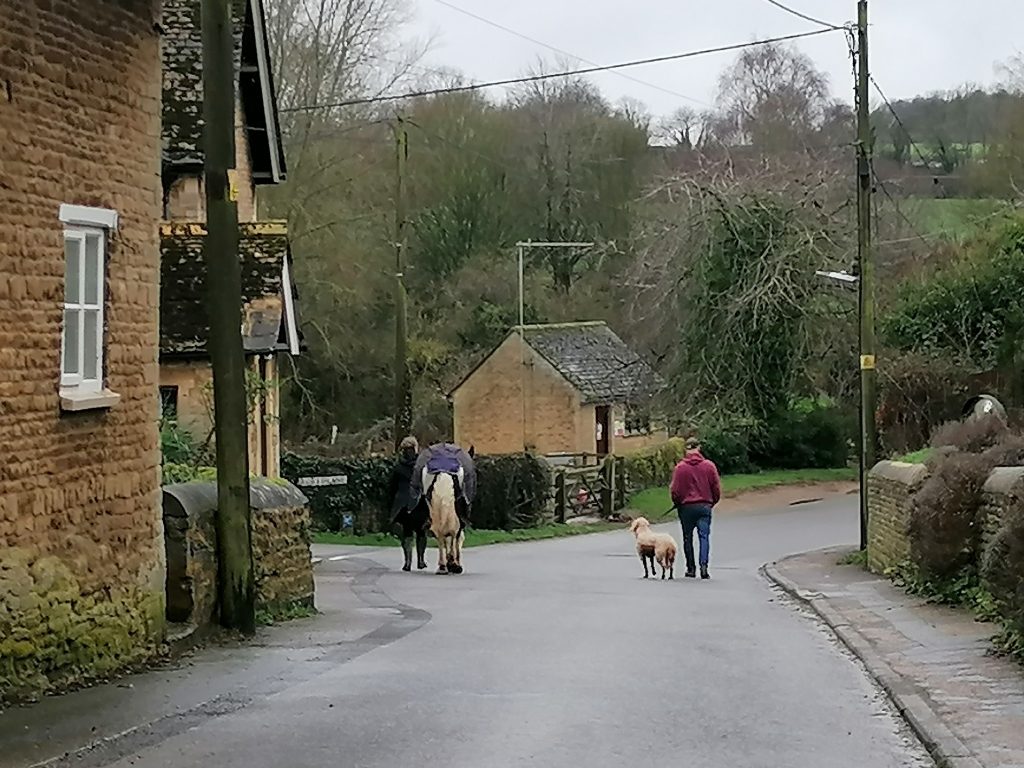
In recent popular rankings, Lowick has been cited as one of the “most stylish” villages in Northamptonshire, noted for scenic appeal and photogenic quality.
Lowick is a small, picturesque village with a population of around 298 people at the 2011 census.It’s known for its quiet rural setting, traditional stone buildings, and scenic countryside around Harper’s Brook.
A Village of Stone
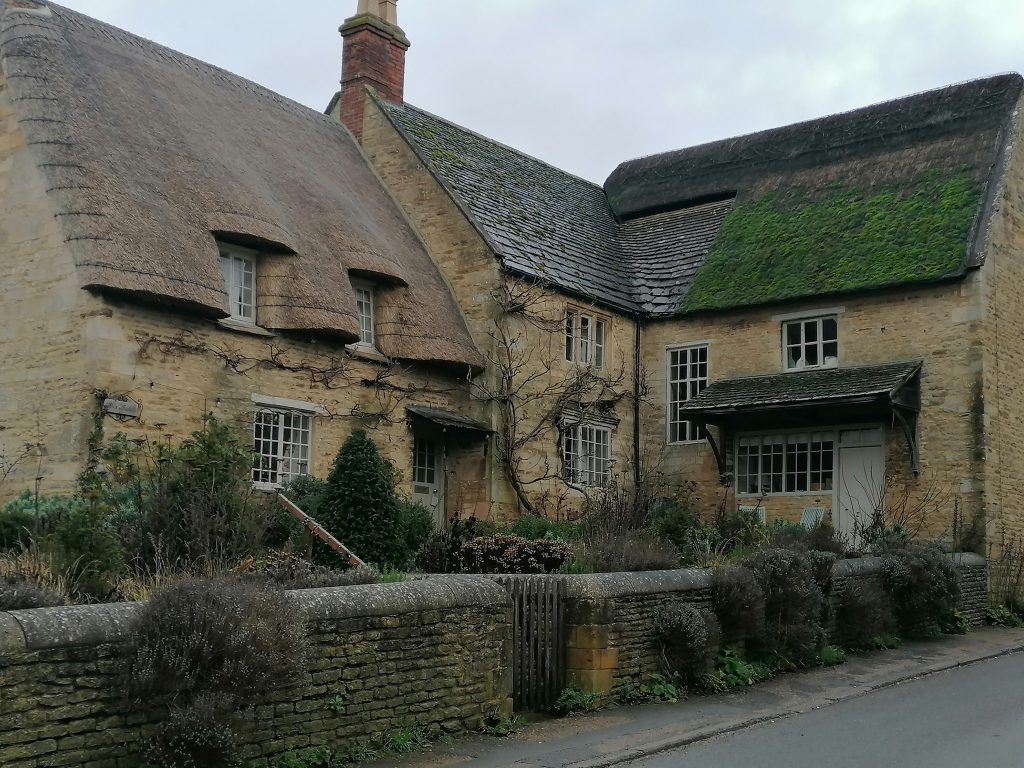
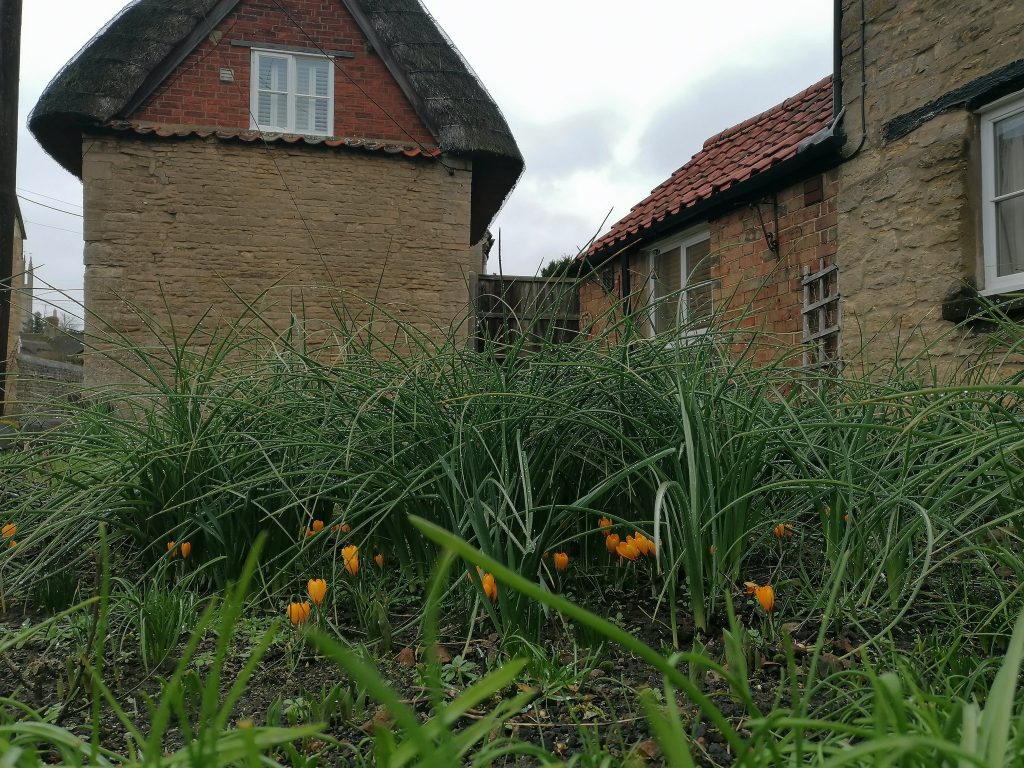
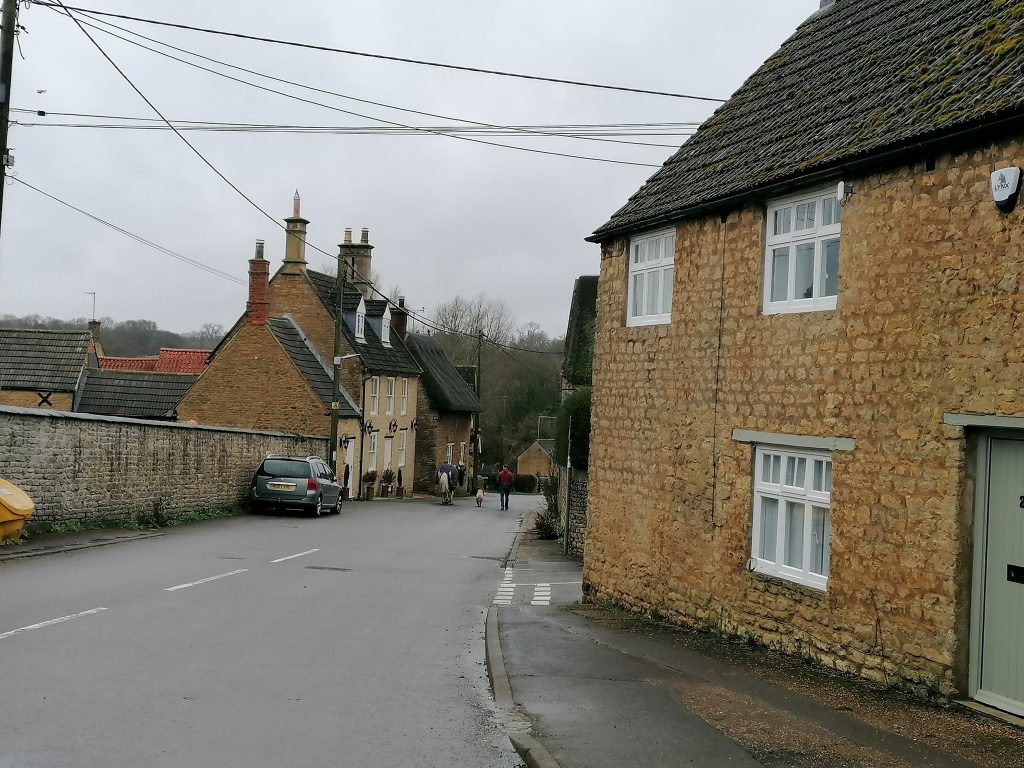
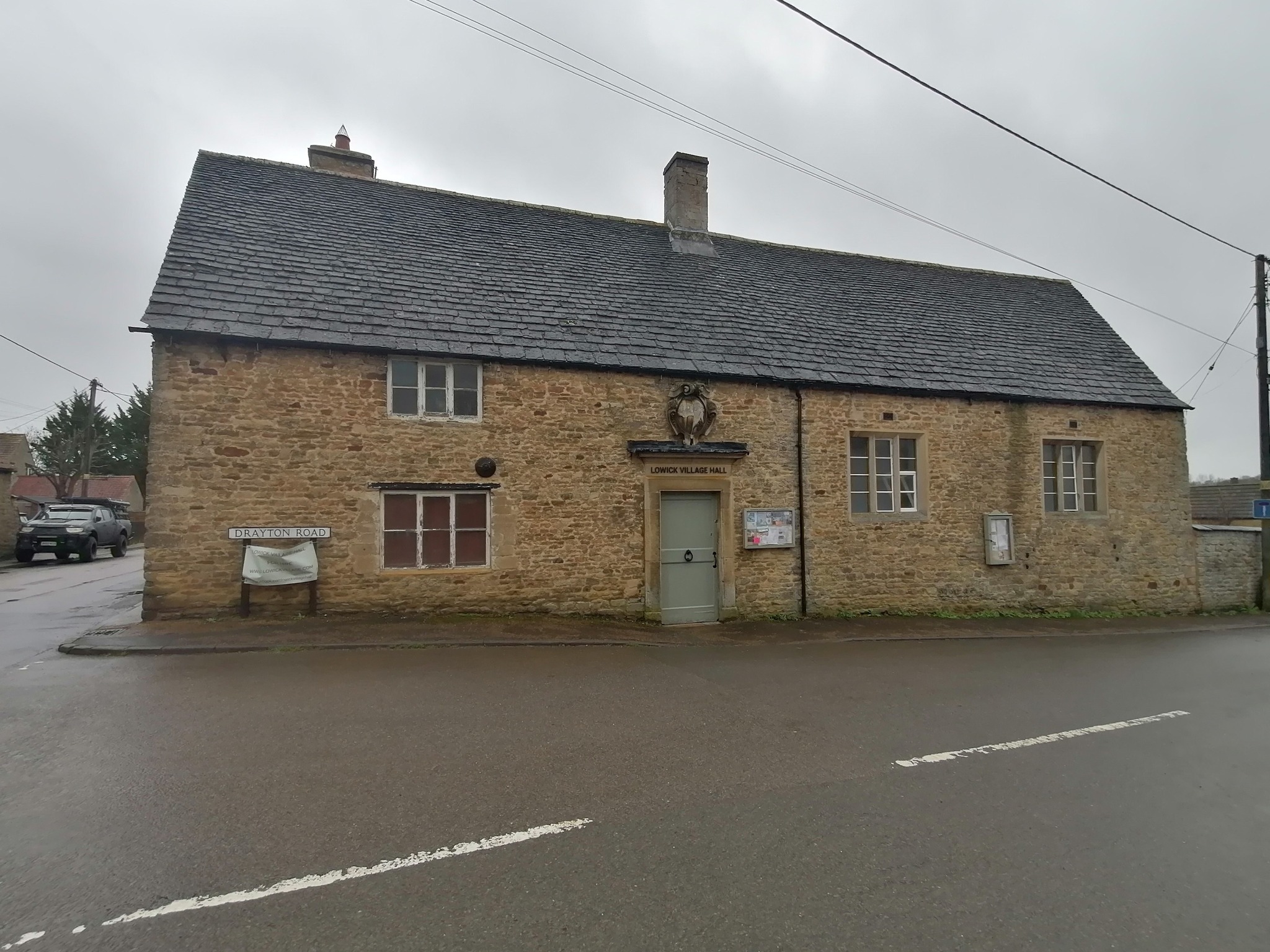
Lowick’s charm begins with its buildings. Many of the older cottages and farmhouses are constructed from locally quarried limestone, laid in neat courses that glow golden in the afternoon light. Some of the earliest properties date from the 17th century, originally roofed in thatch or traditional stone slate, though many now carry later slate or tile roofs. The consistent use of stone gives the village a harmonious, timeless appearance.
Farm buildings and former agricultural structures also reflect this tradition, with stone walls and practical slate roofs, while a handful of later brick and rendered houses show the village’s gradual evolution through the 18th and 19th centuries.
The George Eliot book Middlemarch was written, at least in part, in the village’s old rectory, which is mentioned in the book itself.
A Village steeped in history
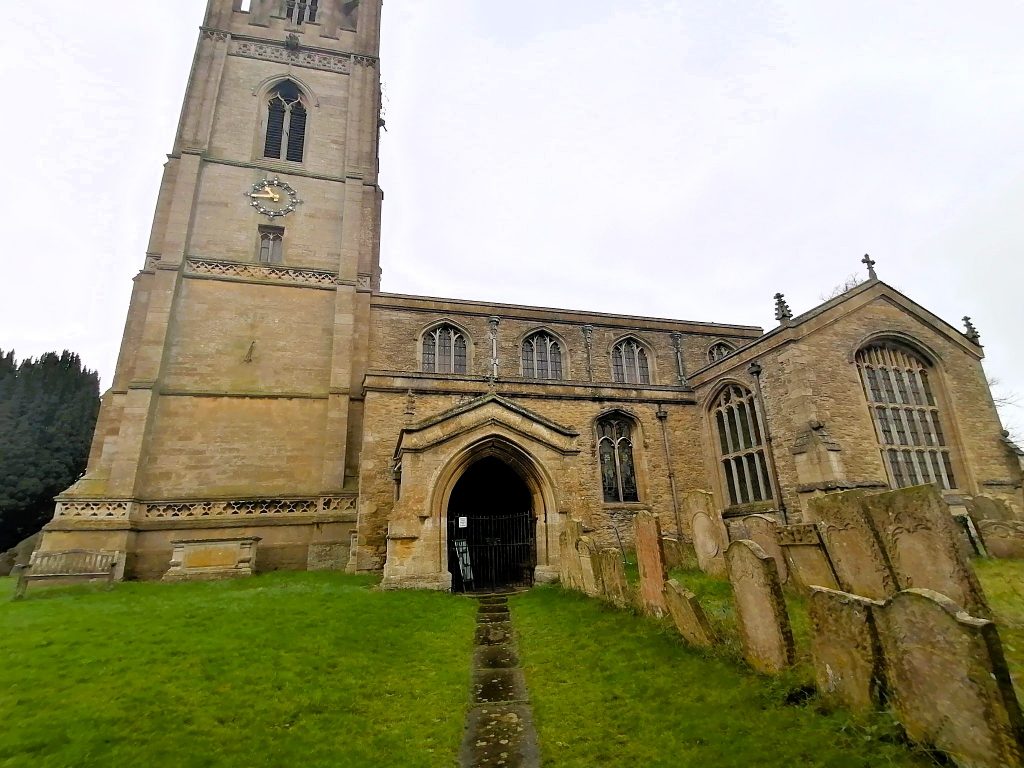
A Remarkable Church
Dominating the village skyline is St Peter’s Church, Lowick, a magnificent Grade I-listed medieval church dating mainly from the late 14th and early 15th centuries. Its distinctive lantern tower rises above the surrounding rooftops, an unexpected flourish in such a small parish. Inside, the church contains fine medieval details and monuments that speak to Lowick’s long connection with local landed families.
/
Drayton House
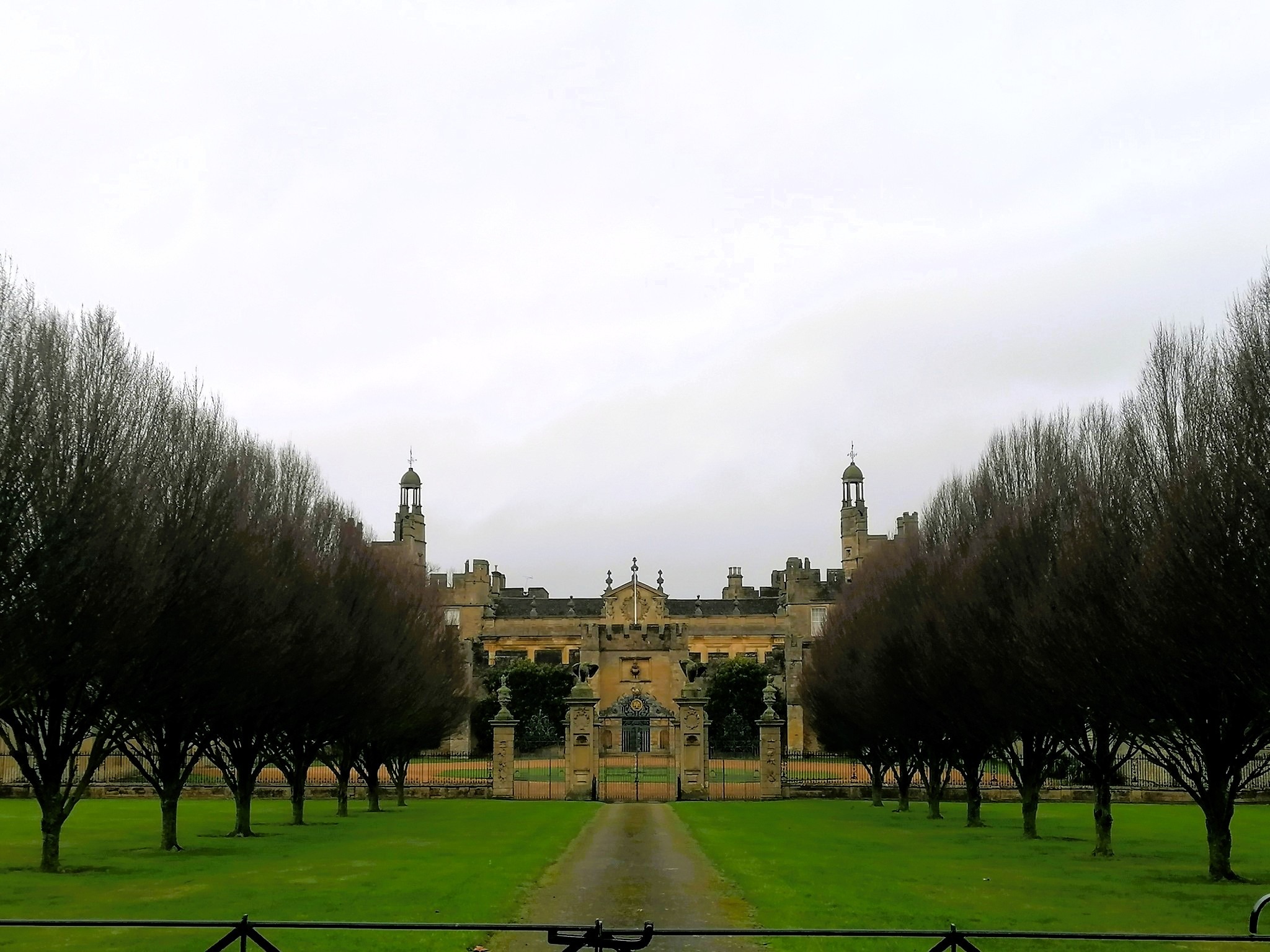
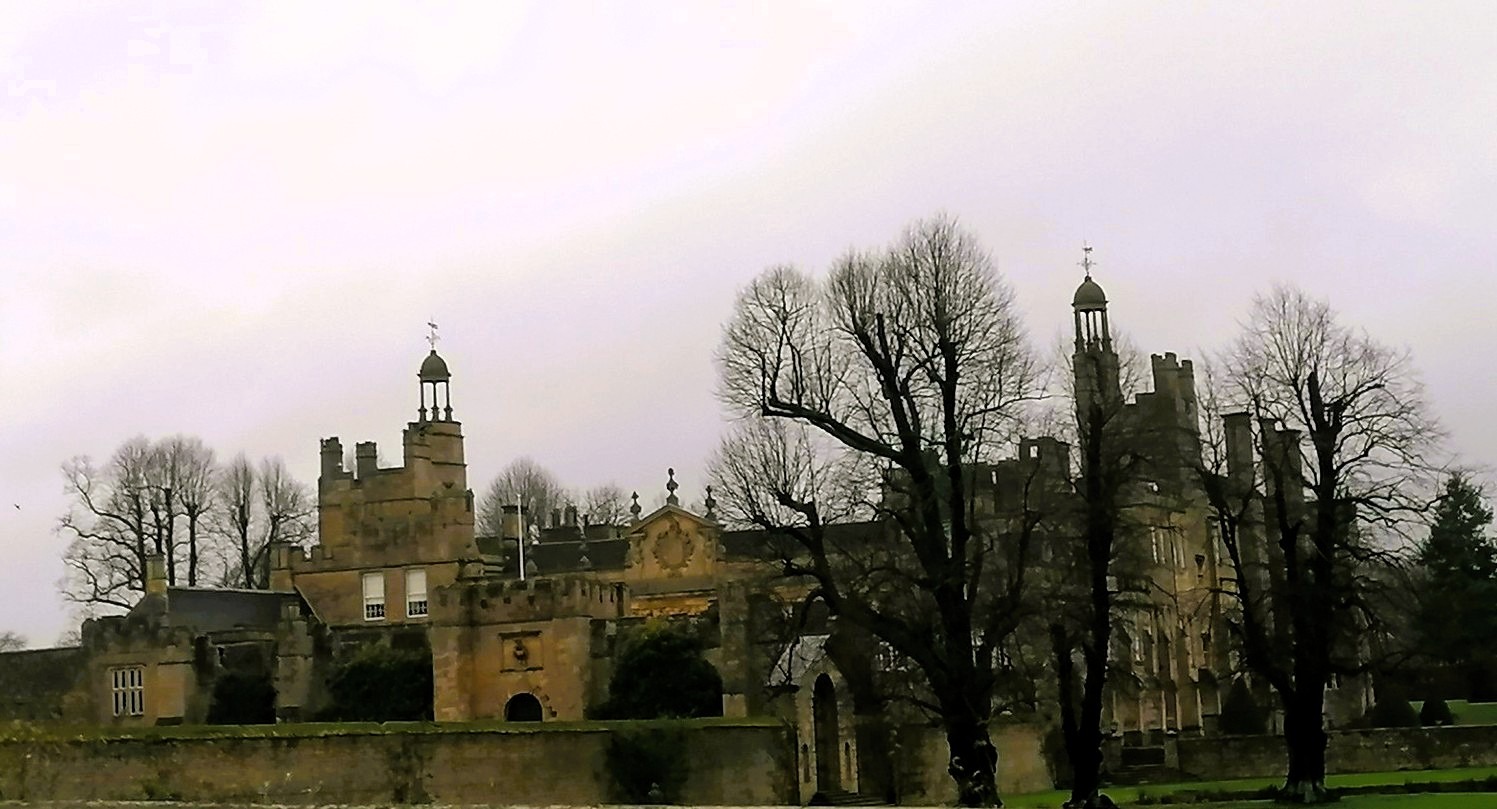
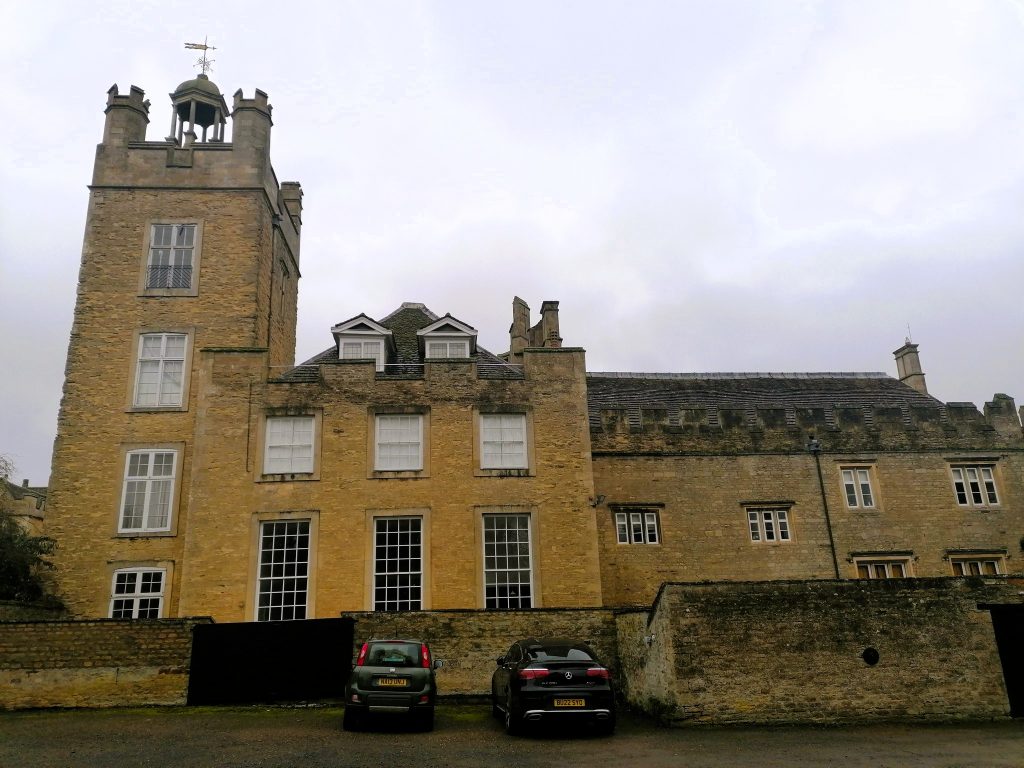
Just beyond the village lies Drayton House, one of Northamptonshire’s most important country houses. Built of limestone ashlar and dating back to the 14th century, it has been altered and extended over generations. The house remains privately owned by the Stopford Sackville family and sits at the heart of the historic Drayton estate.
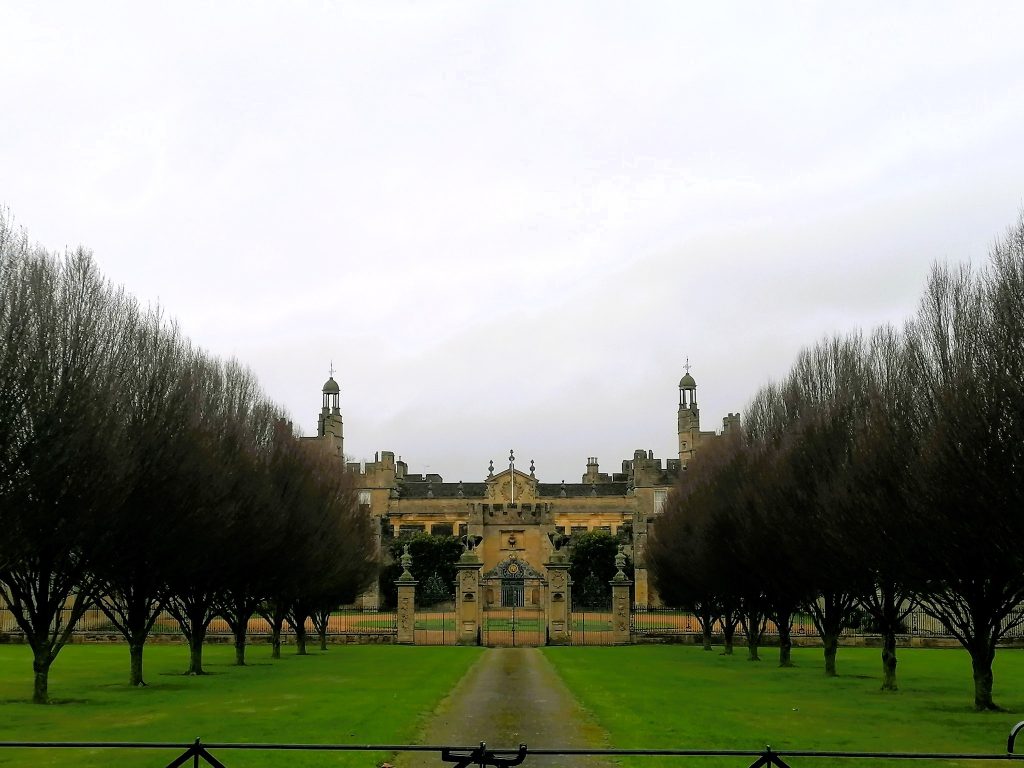
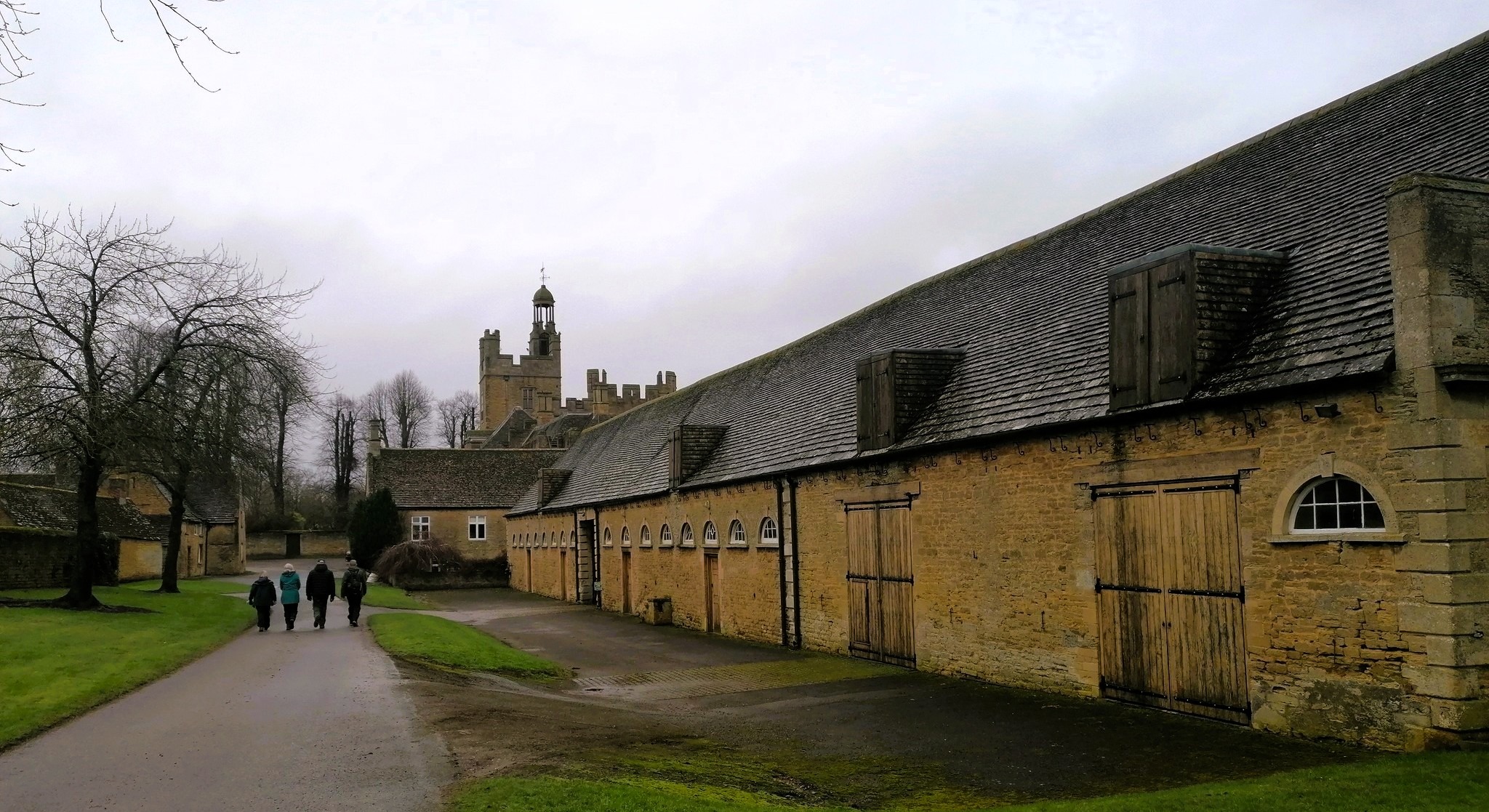
For centuries, much of the surrounding farmland formed part of this estate. Farms such as Drayton Home Farm and other agricultural holdings in the parish have long been associated with estate management. While not every acre in Lowick necessarily belongs to the estate, its historic influence on land use, farming, and property in the village remains significant.
The Snooty Fox
Dating back to the mid 17th century, the fabric of The Snooty Fox is a listed building made from handsome local stone. It’s owned by the locally driven Greedy Gordons Pub Group, a Northamptonshire pub company founded by Richard Gordon and Sonya Harvey. The group also own The Red Lion in Cranford and The Pig & Waffle in Grafton Underwood. The emphasis of the pub is on quality food and drink and community atmosphere.
Inside the pub is full of character with exposed beams, it’s namesake Snooty, a wine rack and gorgeous lighting.
Before become the Snooty Fox, the structure was part of the Drayton Manor Estate and served as Dower House until 1700.
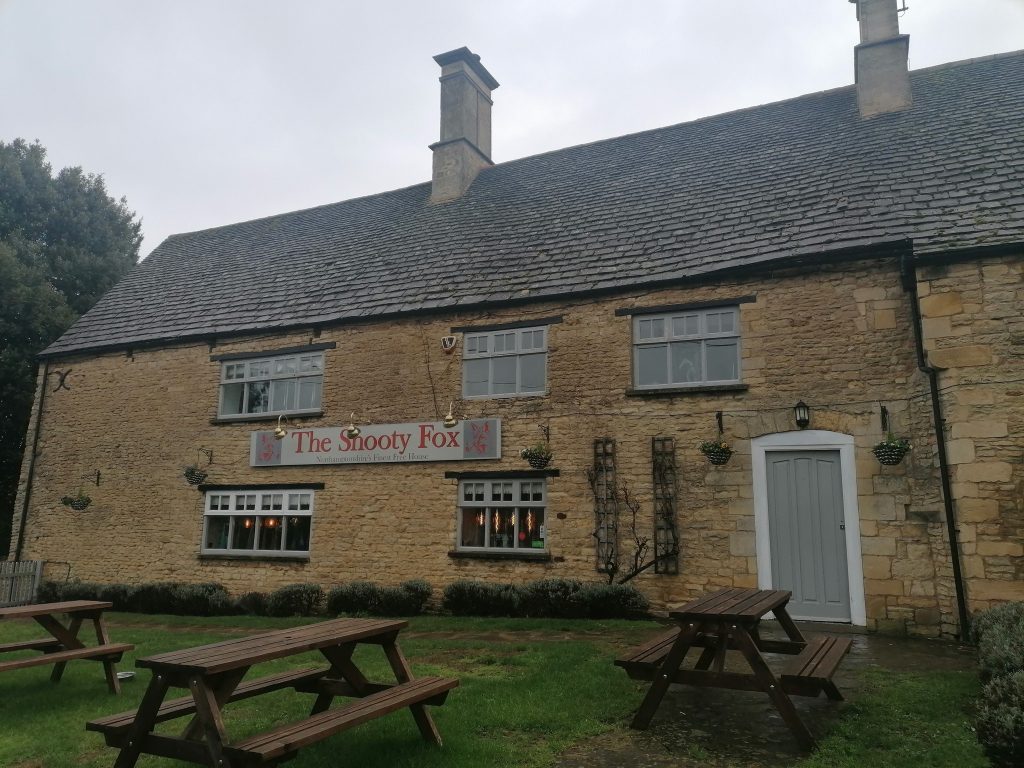
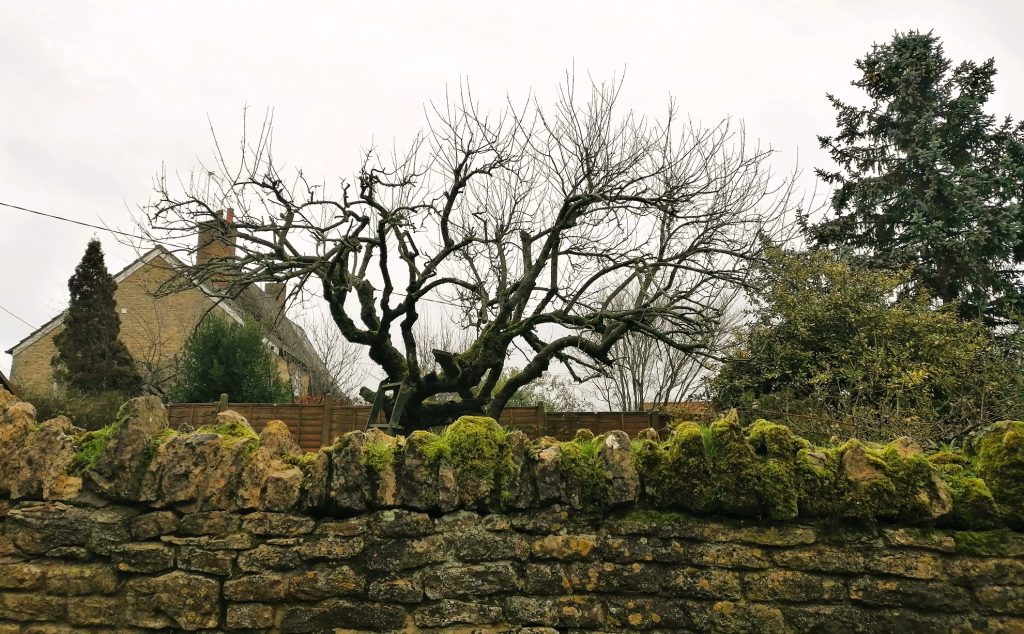
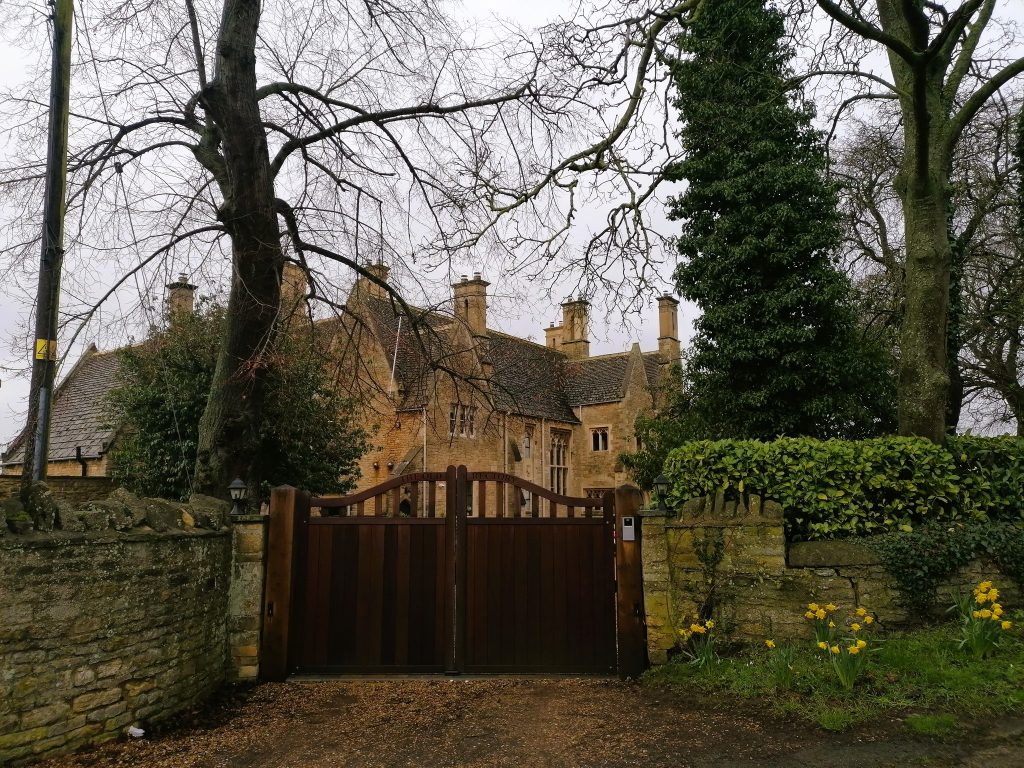
Photo Disclaimer:
All photographs featured in this series were taken from public streets and pathways. No private property was trespassed upon. Images are used for editorial purposes only, showcasing the charm and character of Northamptonshire villages, and are not intended to depict or identify residents.
Visiting Lowick
The best way to explore the village is on foot. Park considerately in the village and take a gentle stroll along the pathway to view the outside of Drayton House. It’s worth it.
For a longer walk (6 miles) why not extend it to the one below.
https://northamptonshirewalks.co.uk/about/walk-162-lowick-circular-including-the-drayton-estate/
Verdict: With the allure of Drayton House, its stunning houses and history, lush landscape and trails, Lowick deserves its place as one of Northamptonshire’s prettiest villages.
Enjoyed this piece? Don’t miss our feature on 10 of Northamptonshire’s Prettiest Villages No. 8