
by the Editorial Team
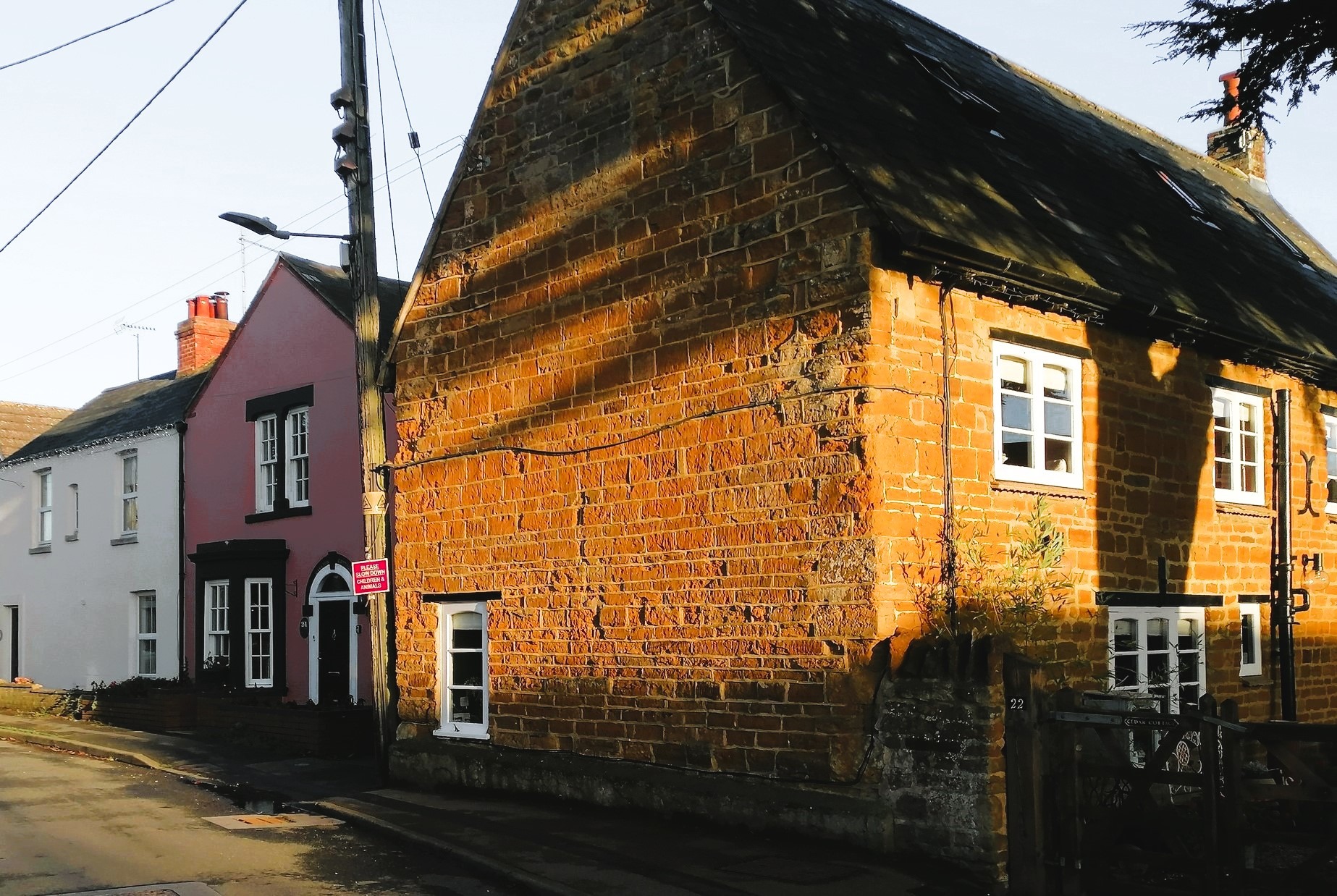
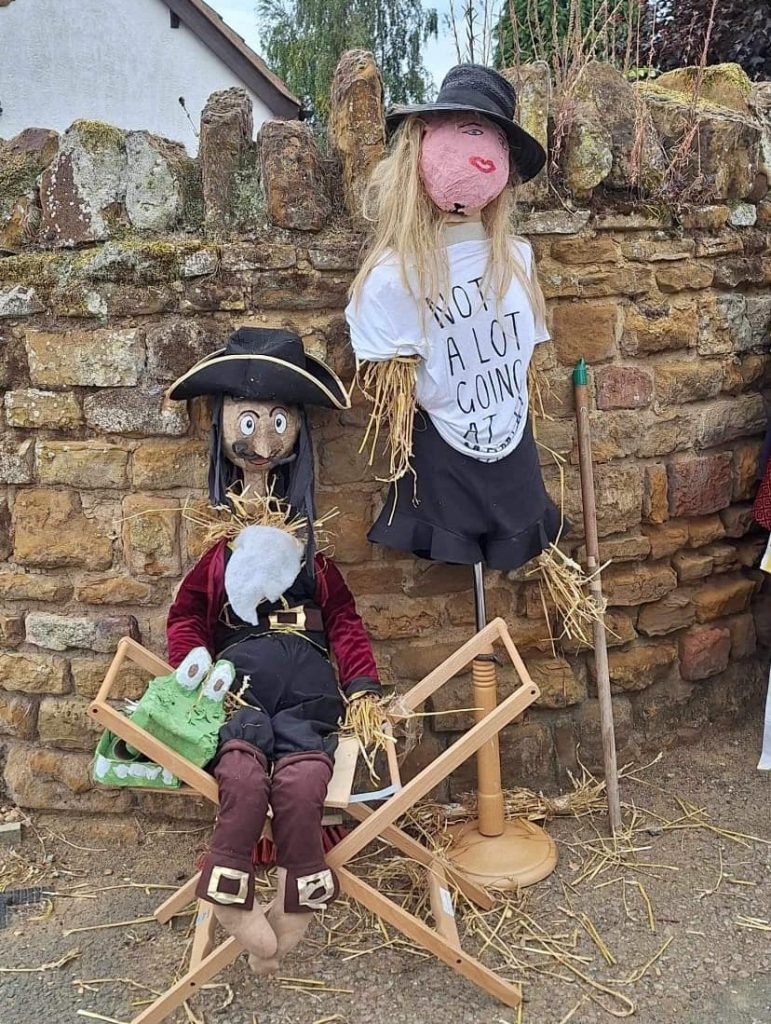
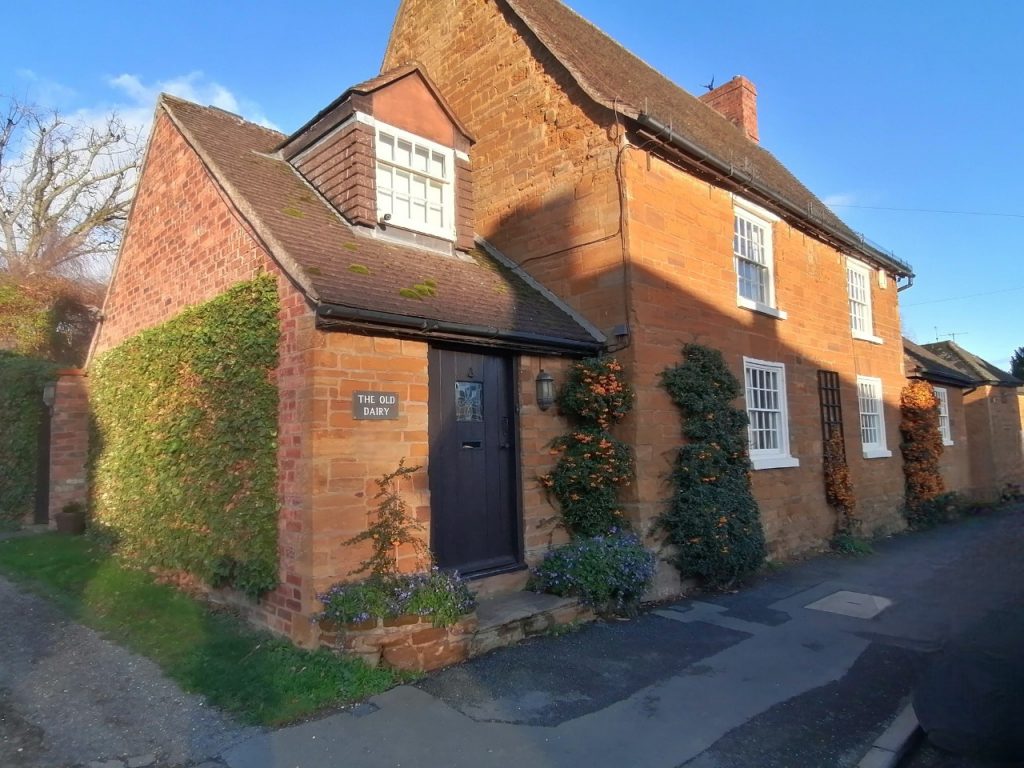
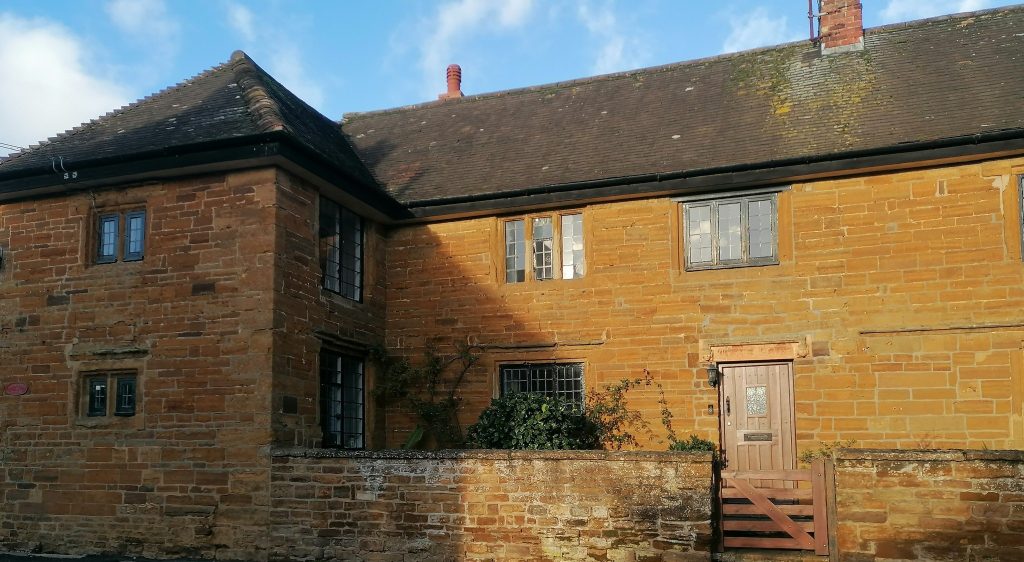
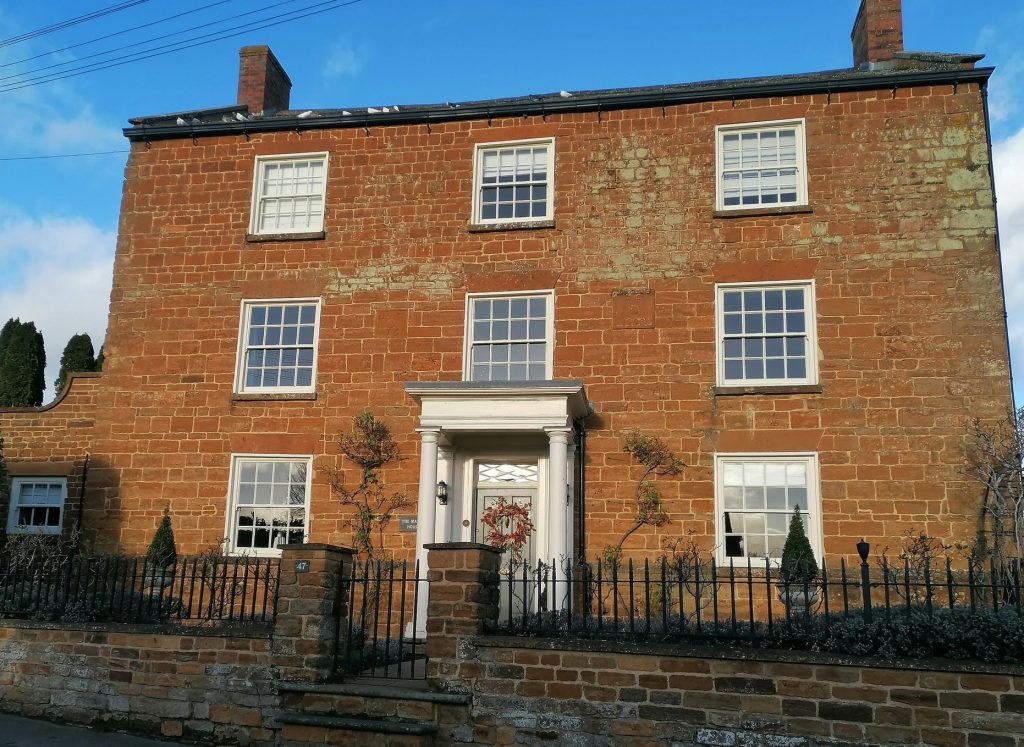
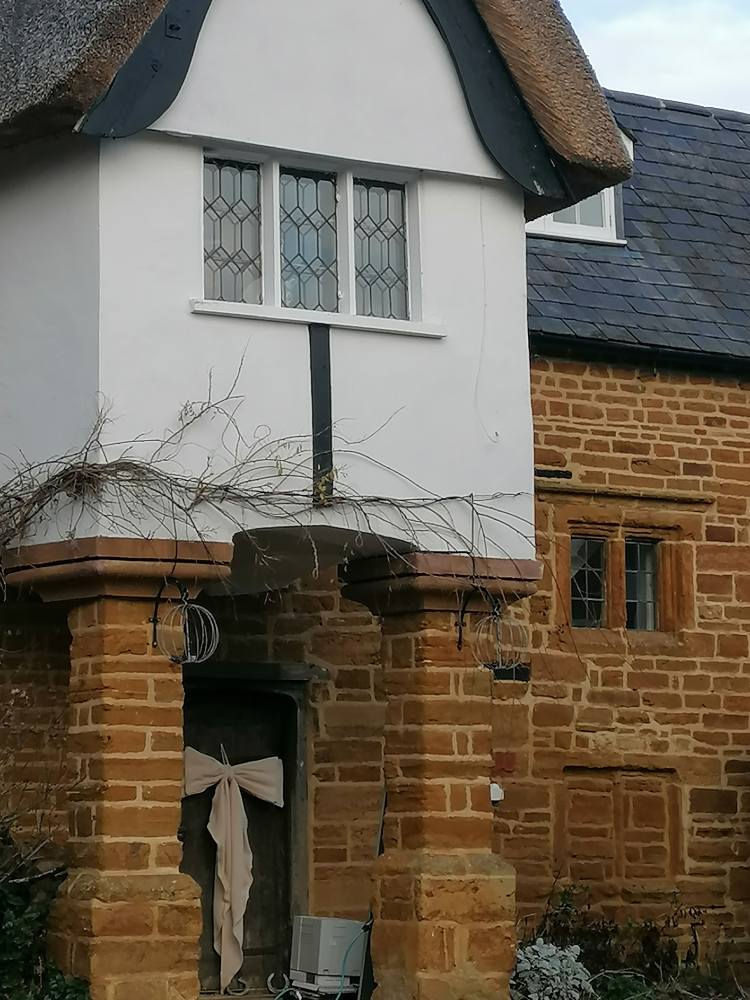
Harpole may be best known for its much-loved annual Scarecrow Festival, but behind the scenes lies a seriously handsome village shaped by centuries, and built in warm Northamptonshire stone.

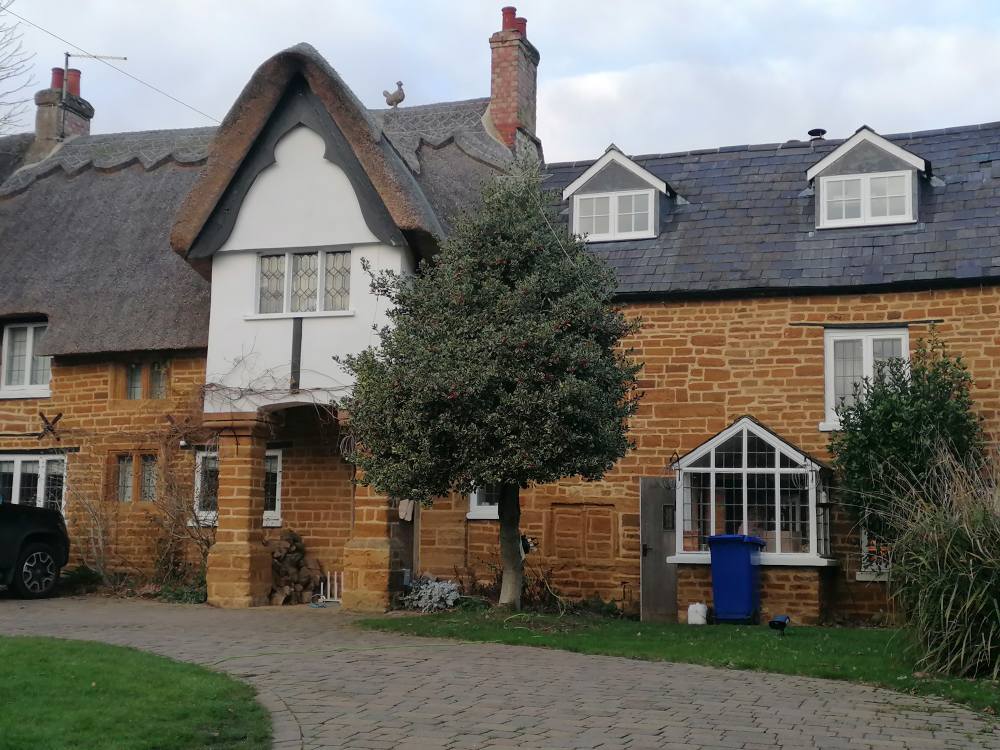
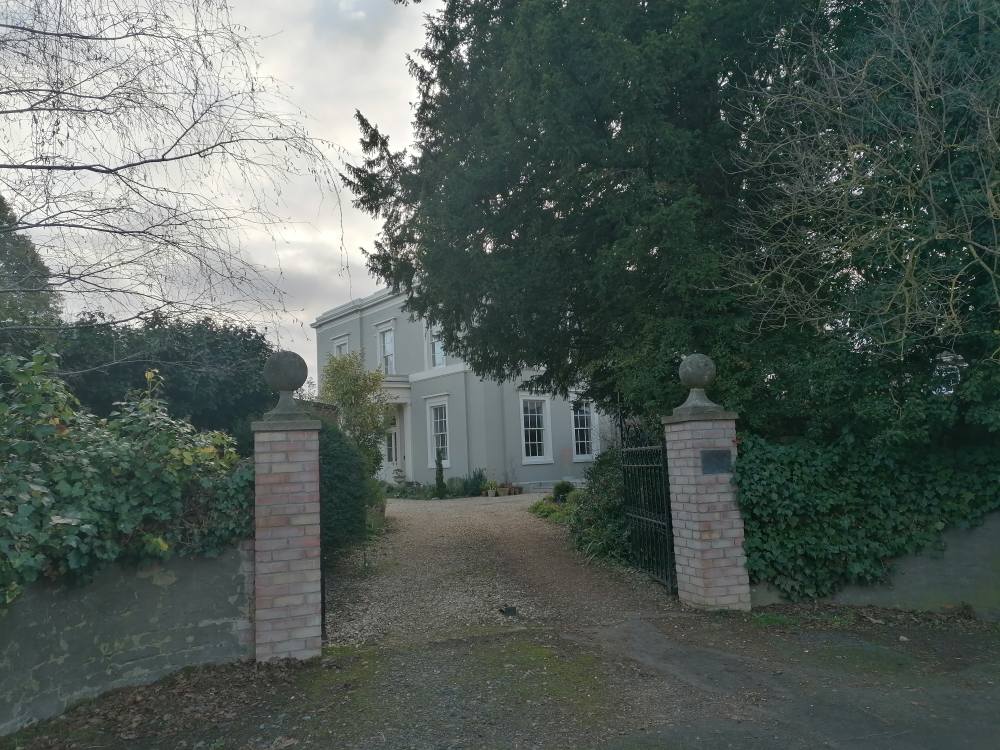
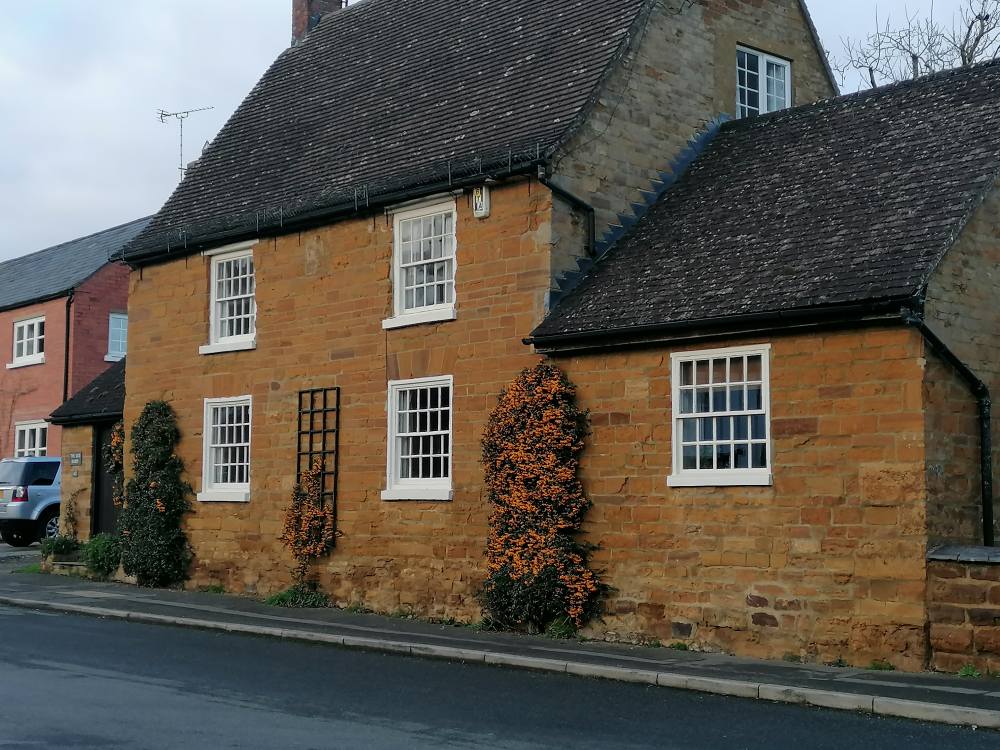
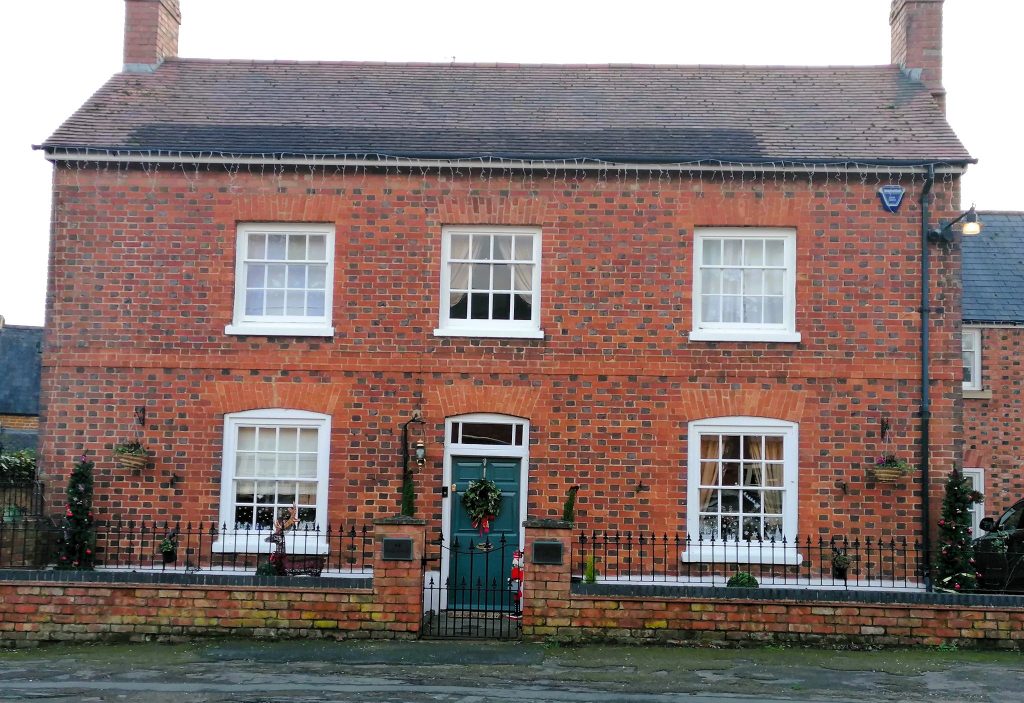
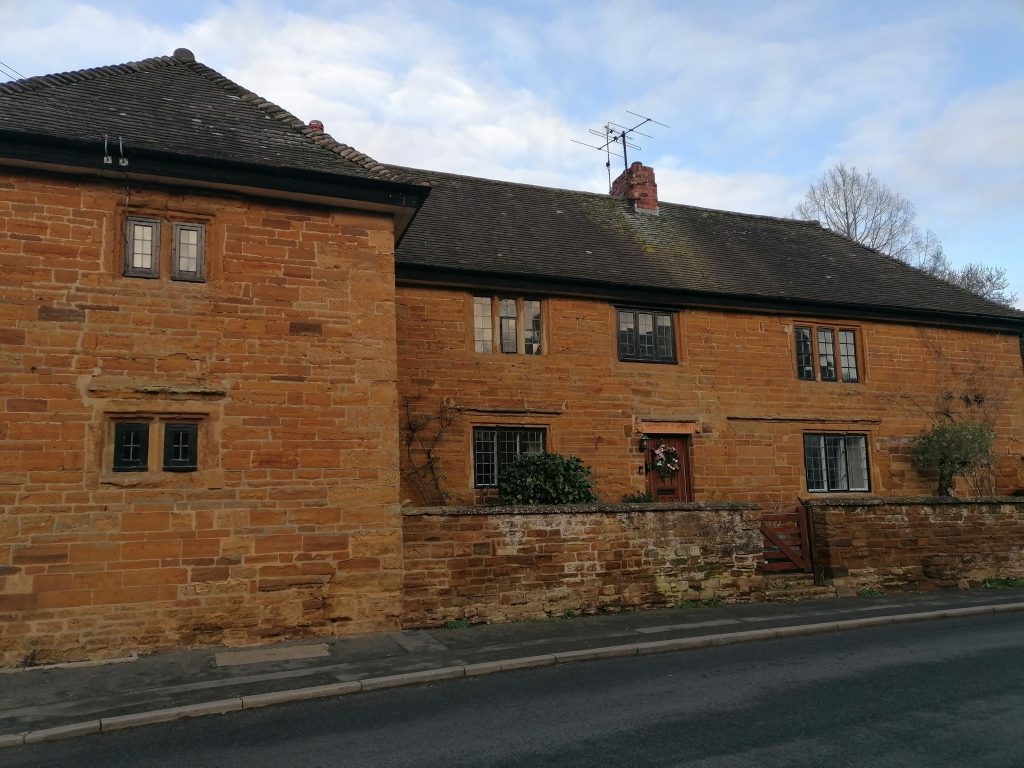
Just west of Northampton lies Harpole. Take a walk down it’s High Street — divided into Upper and Lower — and you’ll be struck by mellow, honey-brown ironstone houses that immediately give the village its distinctive character.
House names such as The Old Bakehouse, Kingsley House and The Old Dairy hint at a time when village life revolved around farming, food production and local trade.
Many of these buildings date from the 17th and 18th centuries, part of what historians describe as the “Great Rebuilding”, when earlier timber homes were replaced with more permanent stone structures.
In the 18th century Harpole would have been a largely agricultural community, with local craftsmen, farmhouses, cottages and a few larger homes built or remade as wealth increased from farming and improved land use.
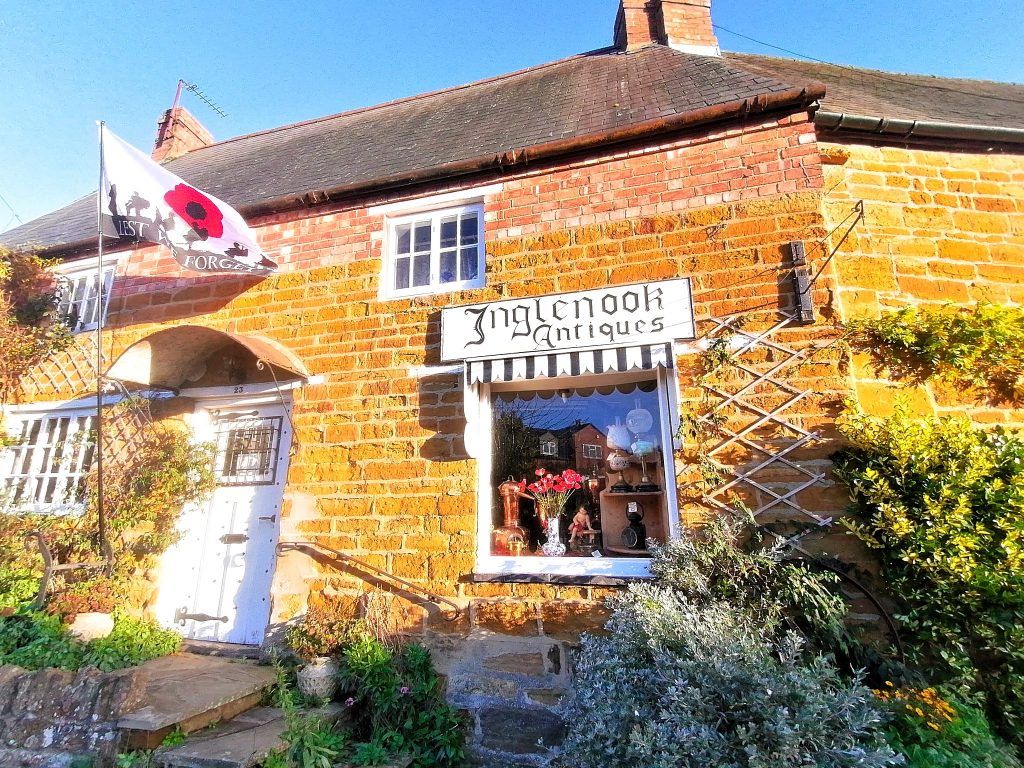
Harpole’s story stretches back much further. Recorded in the Domesday Book of 1086, it was already an established agricultural settlement by the medieval period.
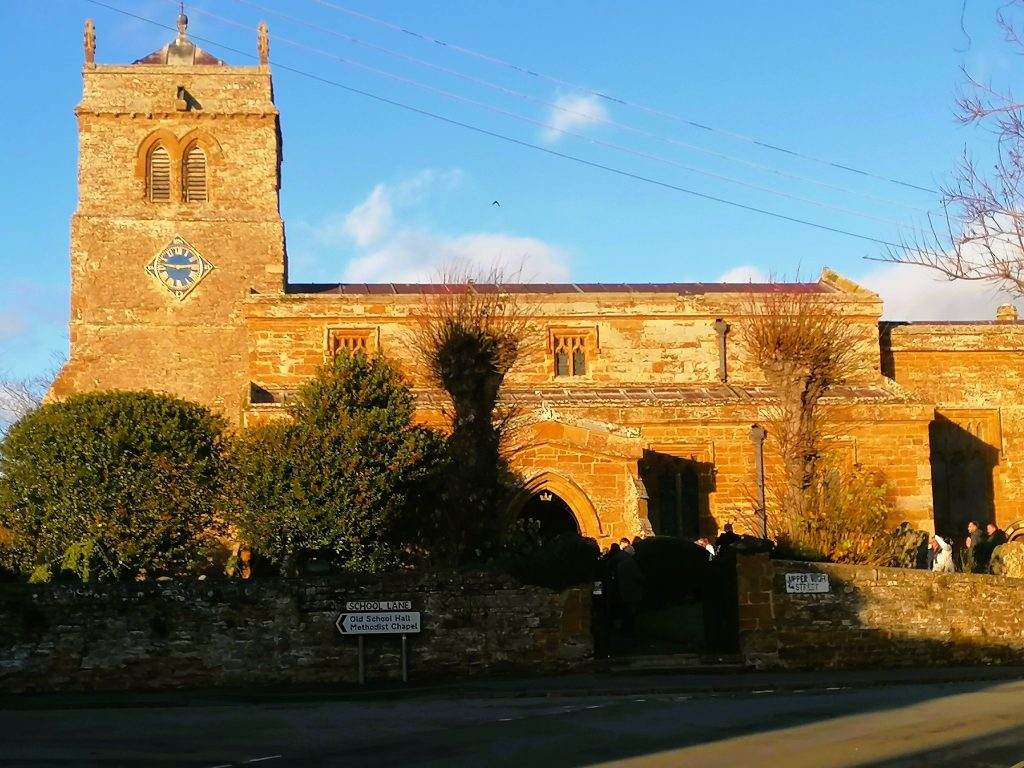
At its heart stands All Saints’ Church, with Norman origins, anchoring the village’s long association with faith and community.
More recently, Harpole found itself in the national spotlight in 2022 with the discovery of the Harpole Treasure — a richly furnished 7th-century Anglo-Saxon burial of a high-status woman, possibly an early Christian leader. The extraordinary find revealed that this quiet village once lay close to the heart of early medieval power and belief.
Despite its deep history, Harpole is not a museum piece. It remains a living village, with strong community traditions, local events and a well-supported football team. It also boasts a fruit picking farm that comes alive during the summer months as berries burst into bloom, and a shop for those with larger than average-sized feet, Magnus Shoes & WalkTall.
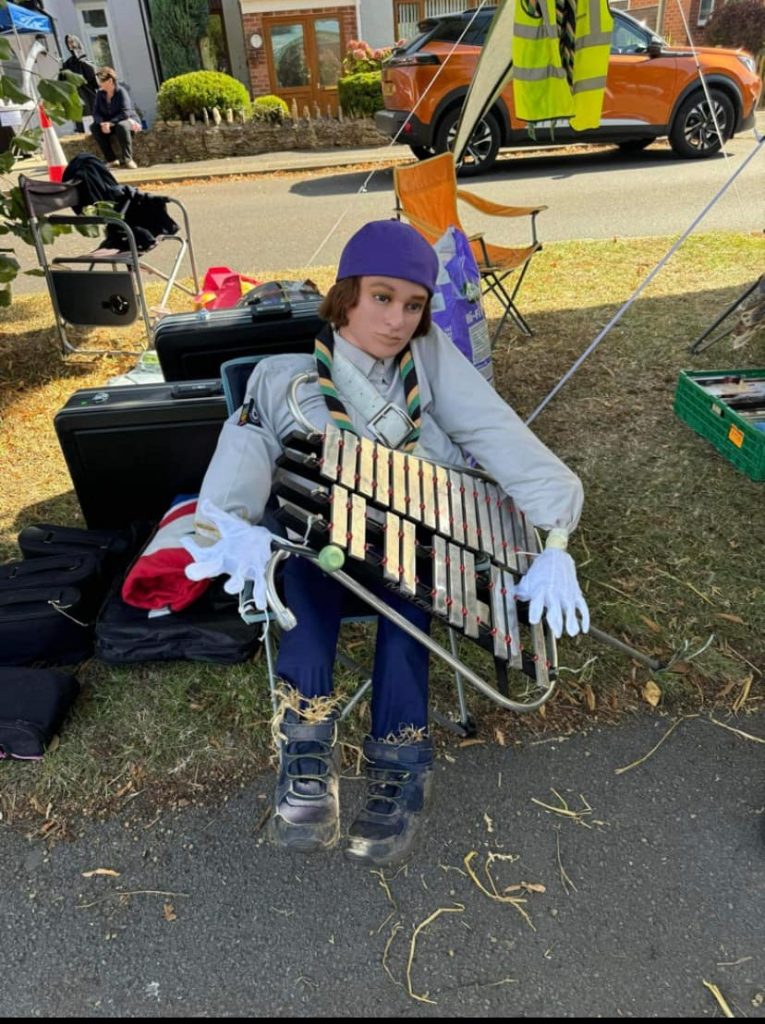
When the scarecrows return each year, they feel less like a novelty and more like a continuation of Harpole’s long tradition of shared village life.
Harpole may be famous for its scarecrows, but look closer and you’ll find something more lasting: a handsome village with deep roots, quiet confidence and stories written into its stone.
Heritage Highlights
All Saints’ Church
With origins in the 12th century, this Norman church sits at the historic heart of the village.
Kingsley House, High Street (Grade II)
A late 17th-century ironstone house, typical of the prosperous farmhouses built during Harpole’s post-medieval rebuilding.
The Old Dairy, High Street (Grade II)
A reminder of Harpole’s agricultural past, this ironstone building once played a practical role in village life before being absorbed into the residential streetscape.
23 & 25 High Street (Grade II)
A pair of mid-18th-century stone houses that typify Harpole’s vernacular architecture.
53 High Street (Grade II)
An early 18th-century former farmhouse reflecting the village’s long relationship with the surrounding land.
Walking Route: Discover Handsome Harpole
Distance: Approx. ½ mile
Time: 20–30 minutes
Start: All Saints’ Church
From the church, walk south along High Street, passing Kingsley House, The Old Dairy and the listed houses at 23 & 25 High Street. Continue towards the lower end of the street, taking in the ironstone cottages and boundary walls. Turn onto Upper High Street to view a cluster of listed 18th- and early 19th-century houses before looping back towards the village centre.
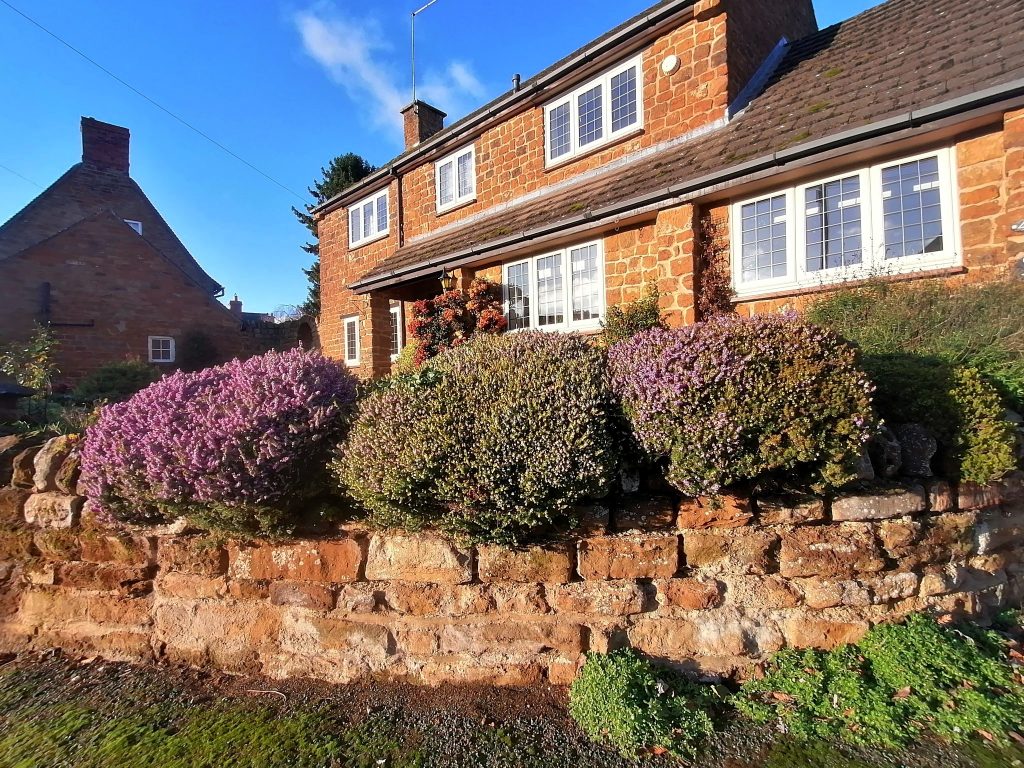
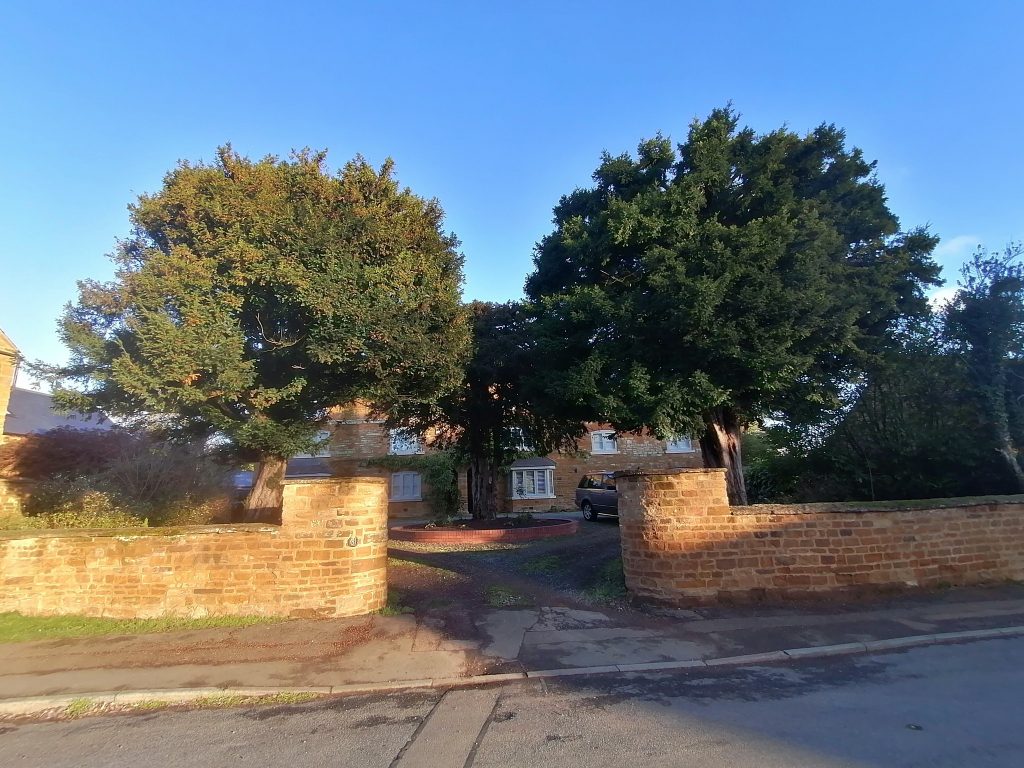
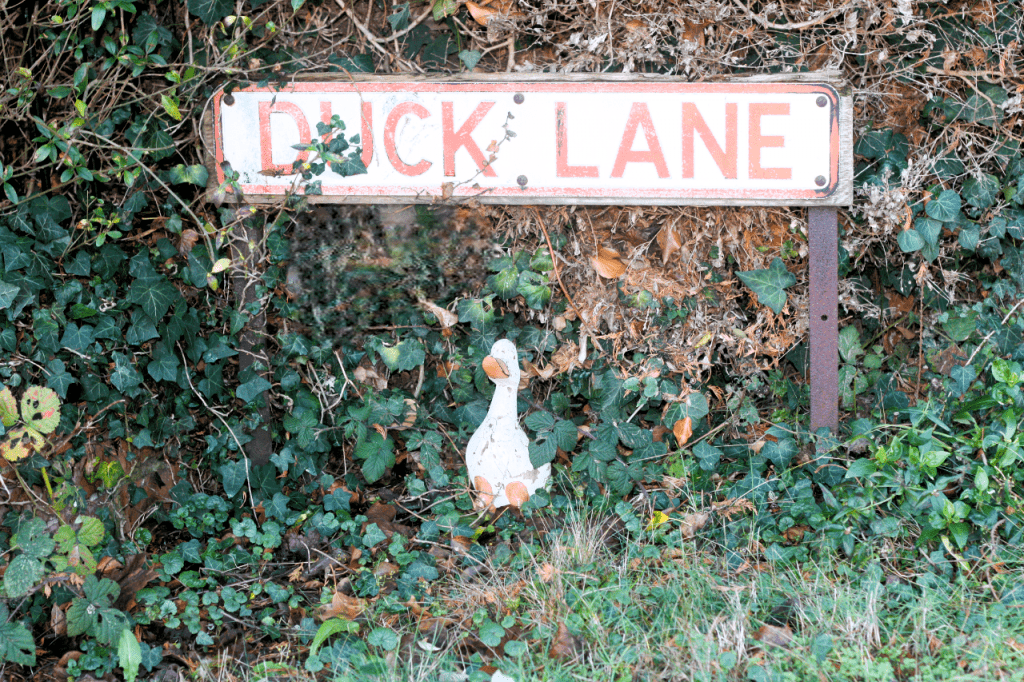
Take time to look closely — Harpole’s beauty lies in its stonework, proportions and lived-in details. And it’s sense of humour.
If you enjoyed reading this article you may also like reading no. 8 in the series; https://northantsmag.co.uk/10-of-the-prettiest-villages-in-northamptonshire-you-must-see-no-8-stoke-bruerne