
Where Stone, Brick, and Woodland Meet: The Beauty of Harlestone
Northamptonshire has been touted as the next Cotswolds — a county steeped in picturesque villages, rolling countryside, and timeless charm just waiting to be explored. A short ten-minute drive from Northampton’s town centre transports you into glorious rural scenery, dotted with honey-hued stone cottages and winding country lanes.
It’s also a county rich in heritage, boasting more country homes than any other in England.
Among its hidden gems lies Harlestone. Divided into Upper and Lower Harlestone, it’s just ten minutes drive from the town centre. Think the Slaughters, but without the ominous name. The area’s beauty lies in its harmony with the landscape, from the golden ironstone cottages to the sweeping woodland of Harlestone Firs.
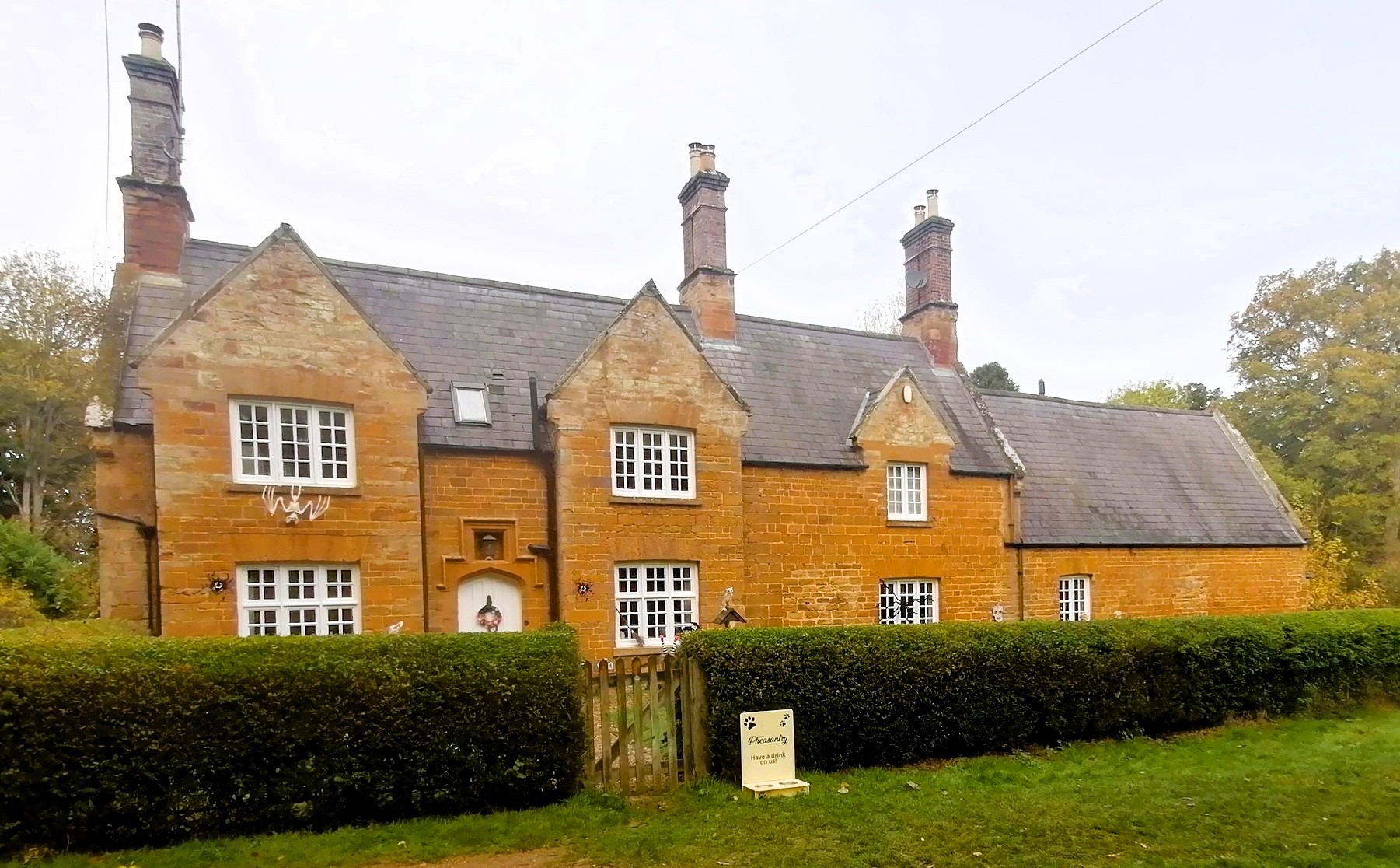
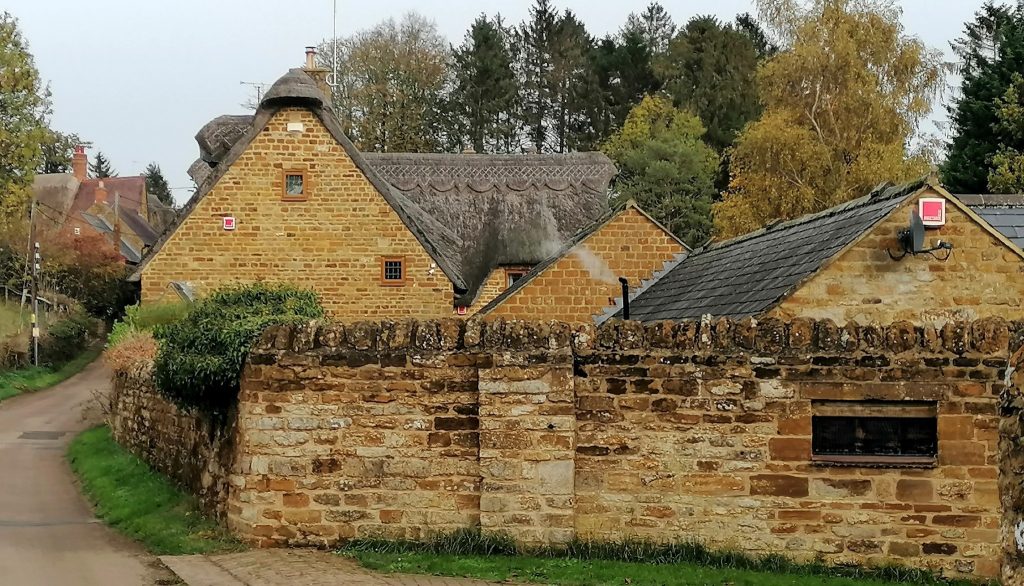
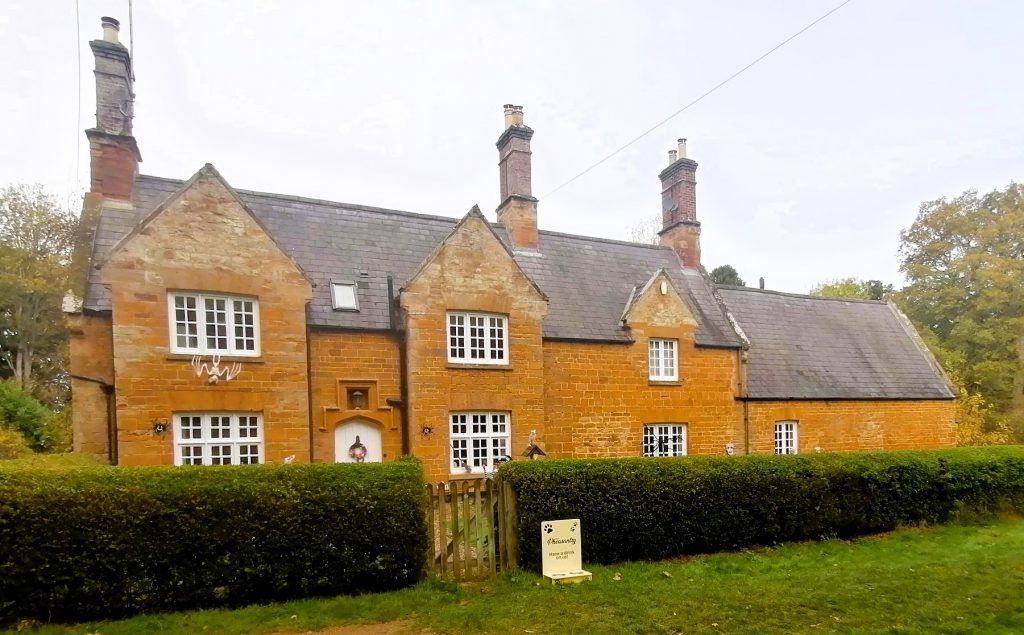
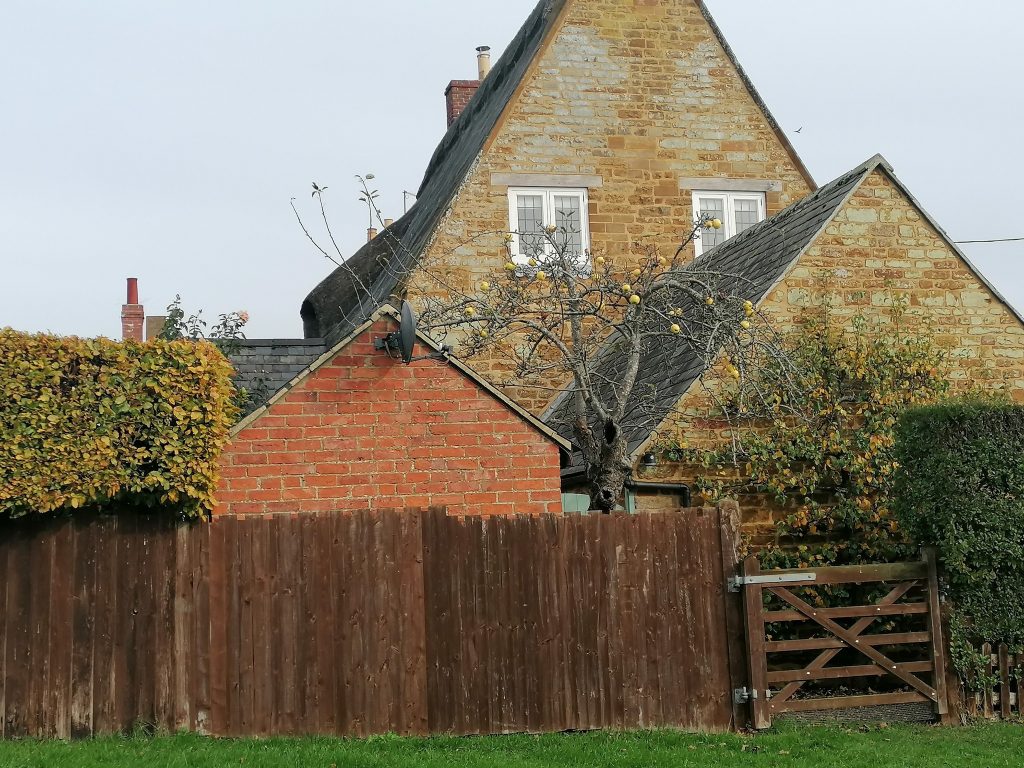
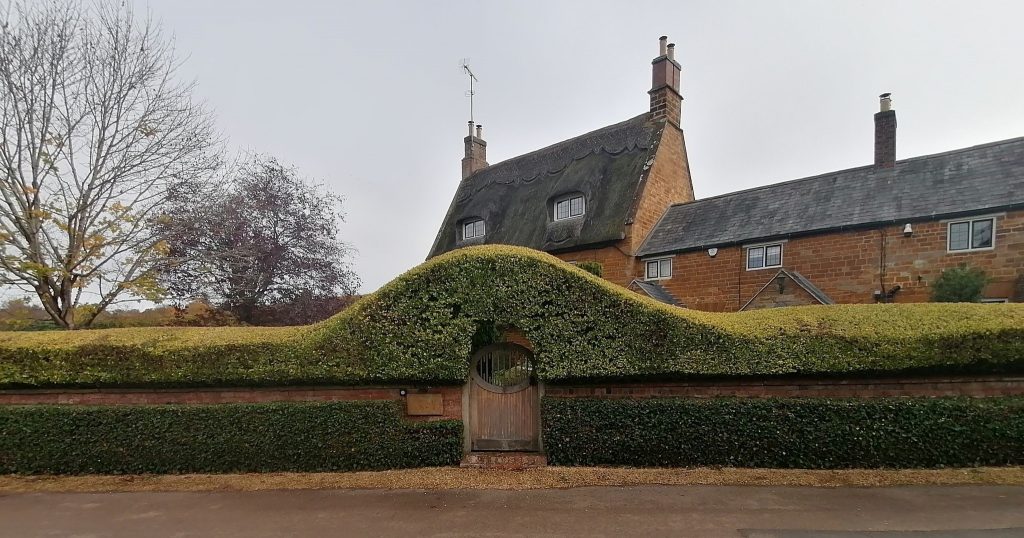
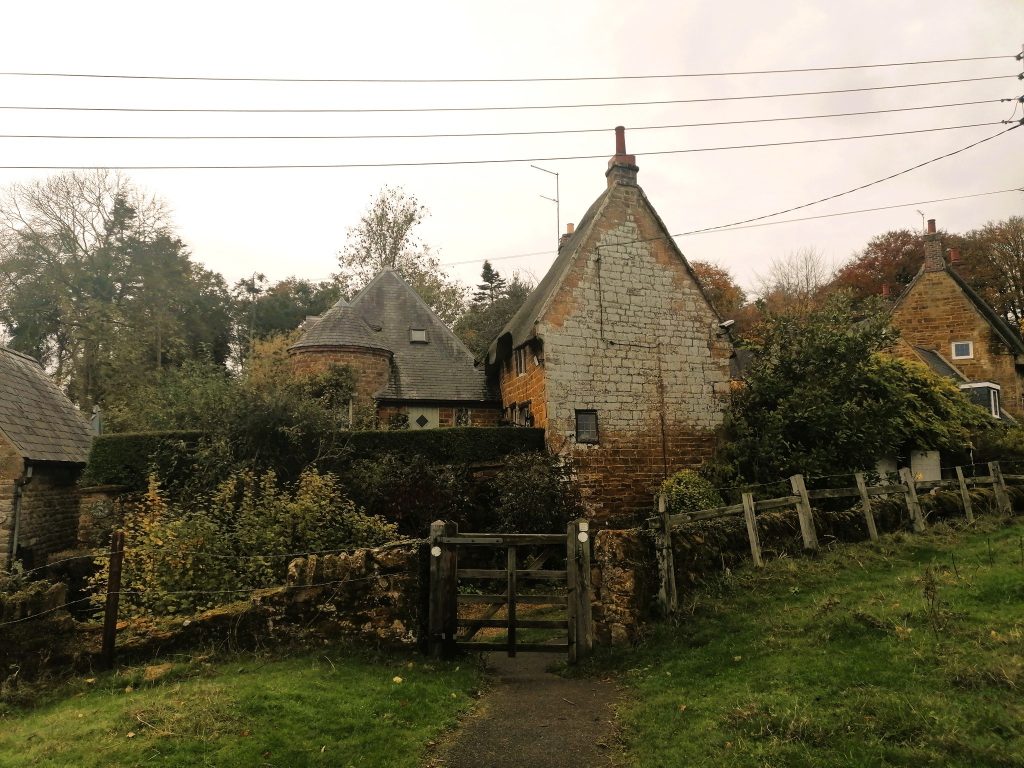
The current villages of Upper and Lower Harlestone are characterised by iconic, locally sourced sandstone and ironstone cottages.
The modern villages are made up of mostly 17th century buildings, having been built to provide accommodation and services to travellers heading to Northampton and to those working on the Harlestone and Althorpe estates.
Most of the older cottages and farmhouses are built from local ironstone, quarried nearby and rich with natural iron. Its golden tones shift with the light — glowing amber at sunset, softening to earthy browns beneath the trees.
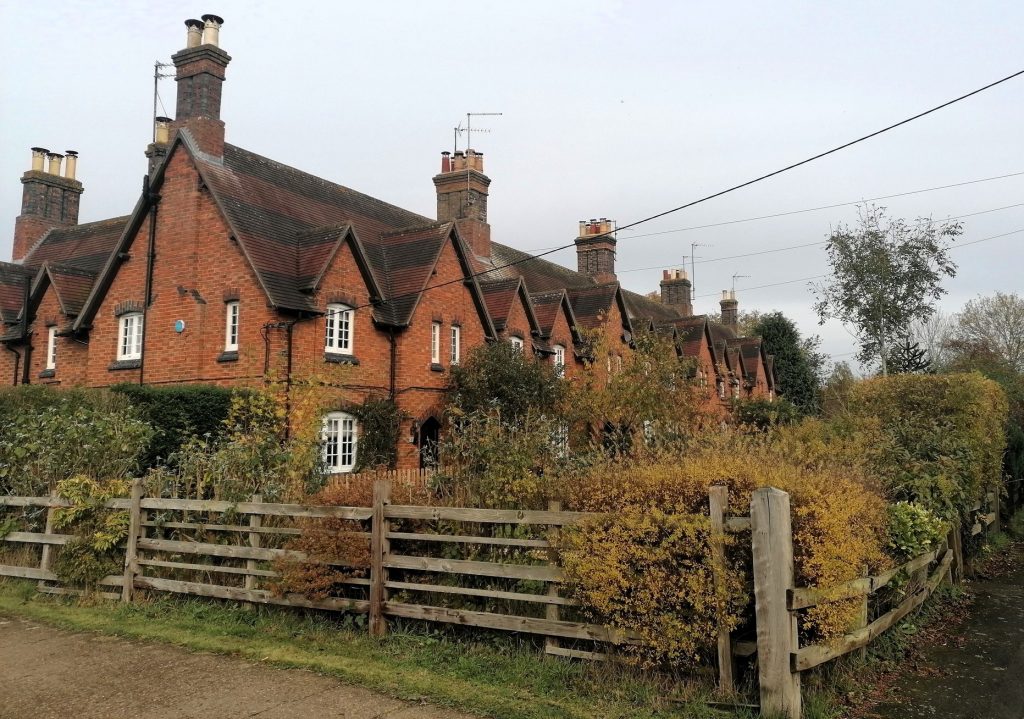
Alongside the stone, flashes of red brickwork add warmth and rhythm. In the 19th century, Upper Harlestone was home to a small brickworks, and the remnants of its kiln still survive. Those handmade bricks were used in boundary walls, garden gates and tall chimney stacks — features that now feel as integral to the villages as the cottages themselves.
Together, stone and brick create a palette that’s both harmonious and characterful — a patchwork of texture that could only belong here.
Harlestone was reputedly the inspiration for Jane Austen’s “Mansfield Park,”
W.A Craik in ‘Jane Austin in her Time
A Village steeped in history
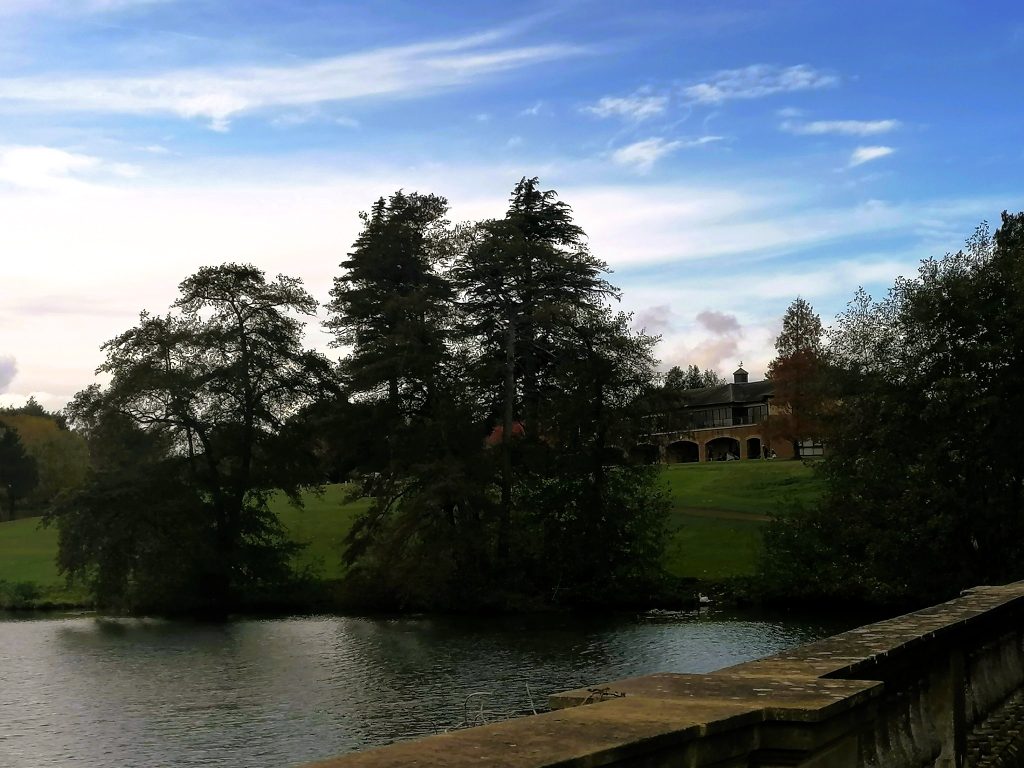
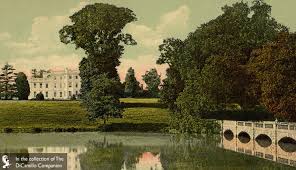
Harlestone House
Northampton Golf Club now occupies the site where Harlestone House once stood.
In 1832 the Earl of Spencer bought the former Harlestone Park from Robert Andrew including Harlestone House, the Fox and Hounds pub, the Rectory and several farms.
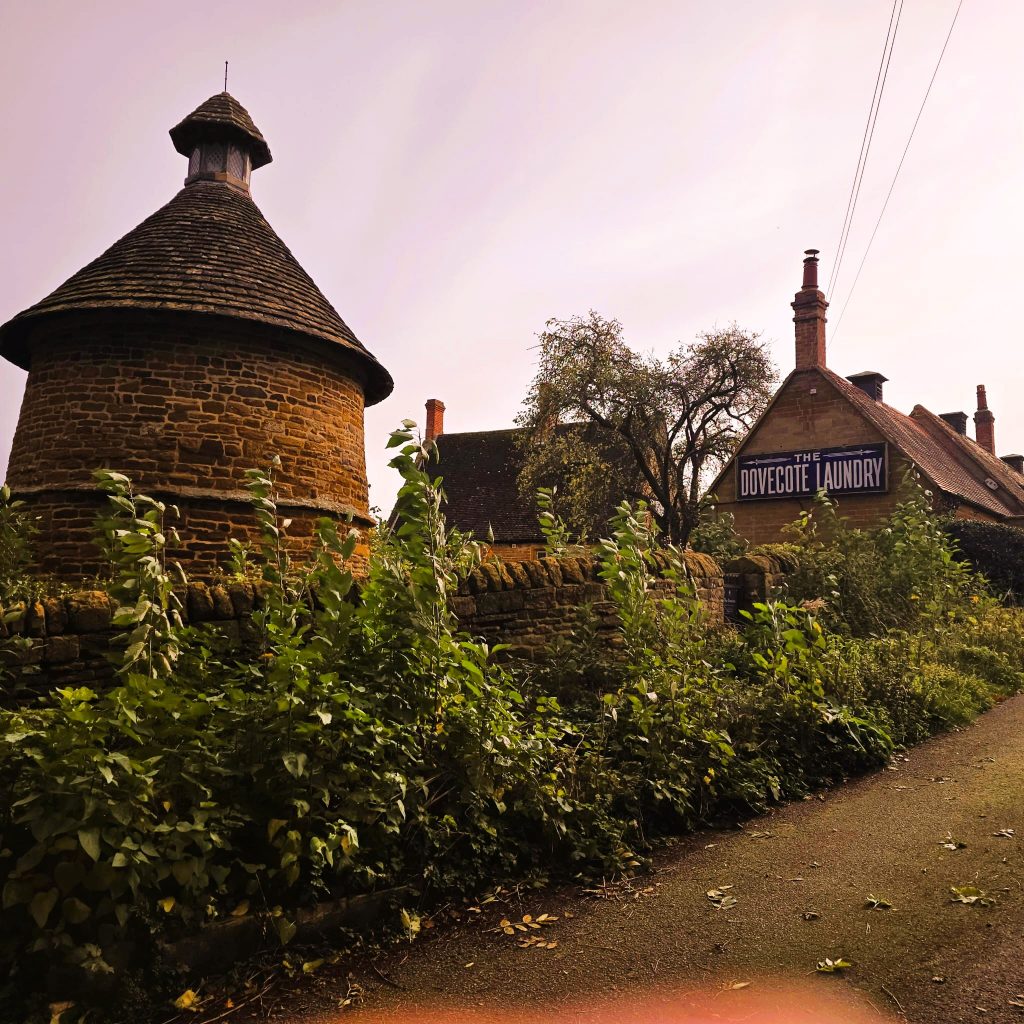
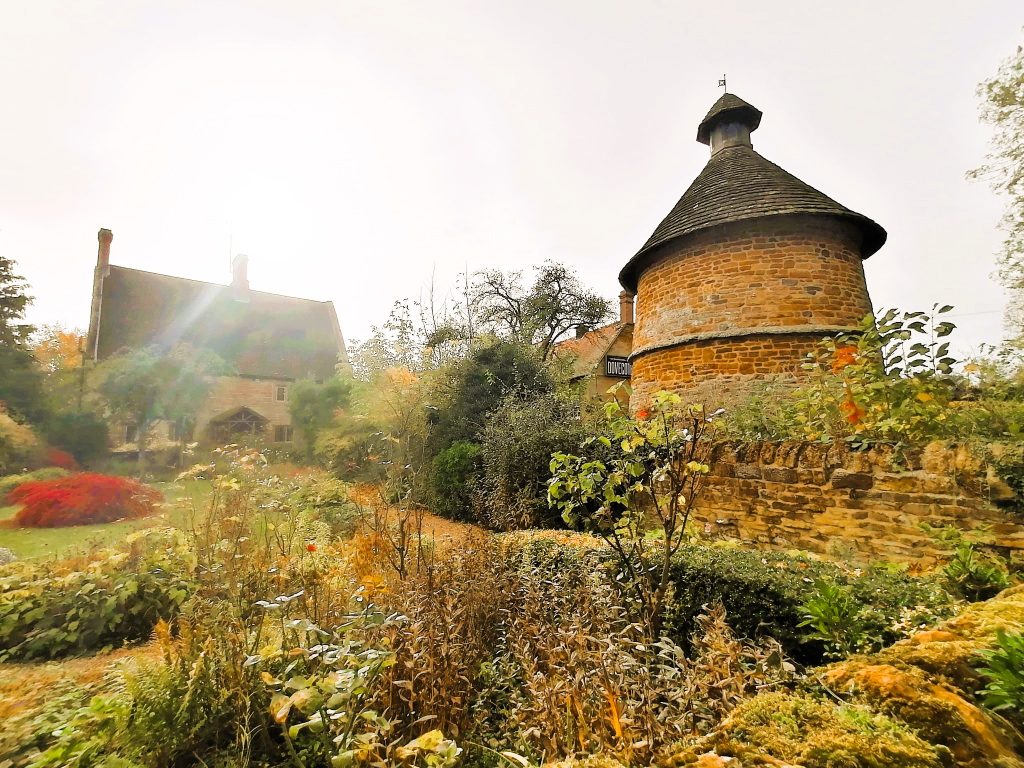
The Dovecote Laundry in Upper Harlestone was once a public laundry. Residents of the village recount how former family members once worked there.
The ten cottages in Upper Harlestone were built of brick in 1864.
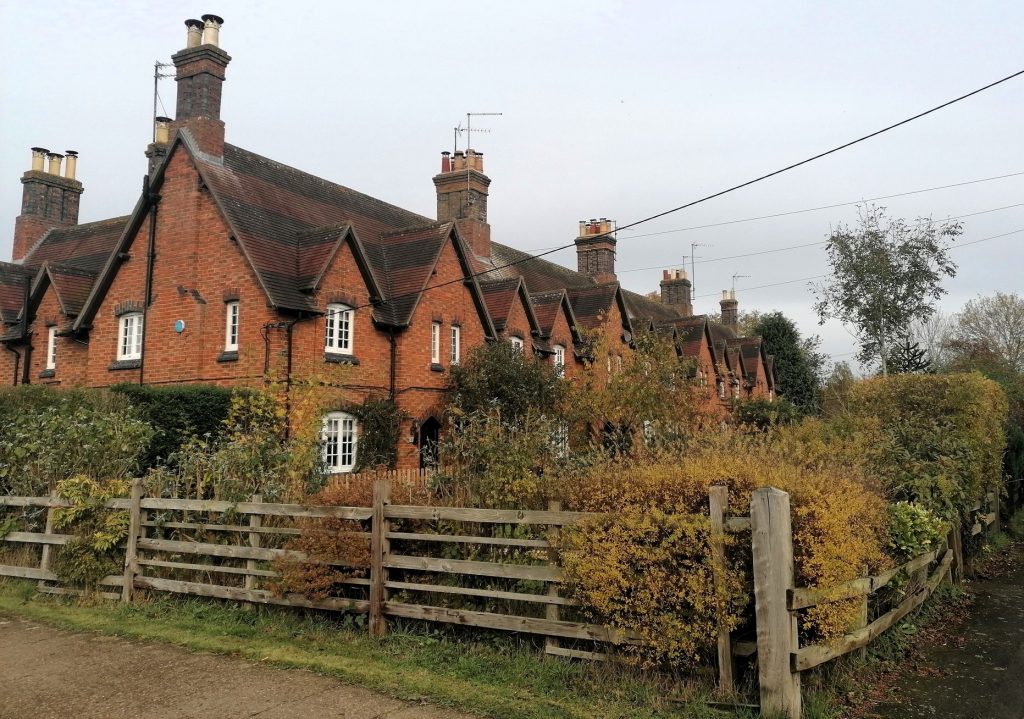
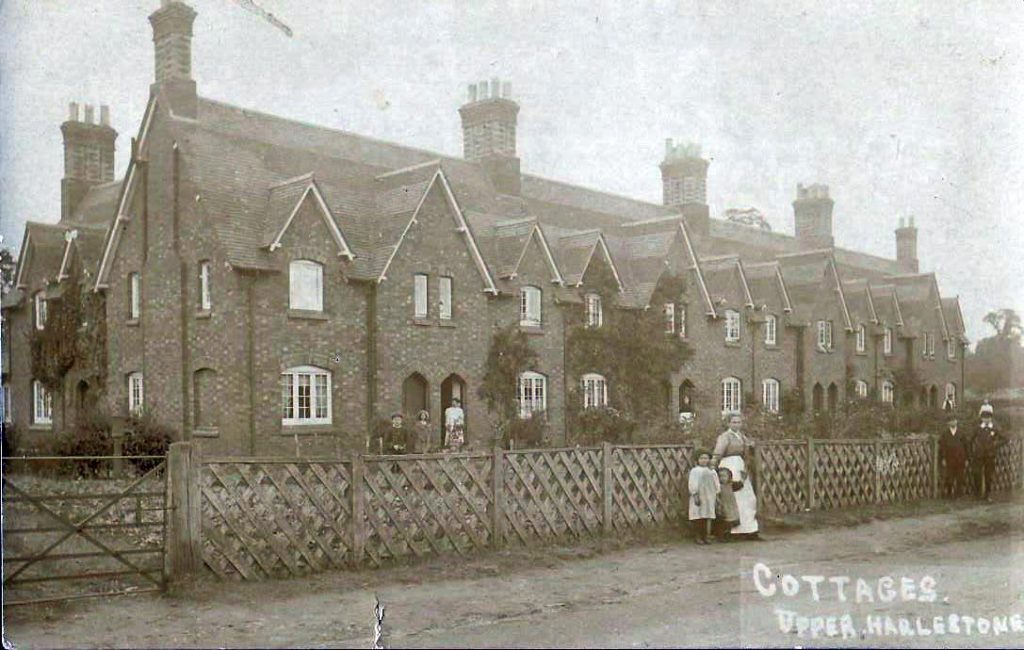
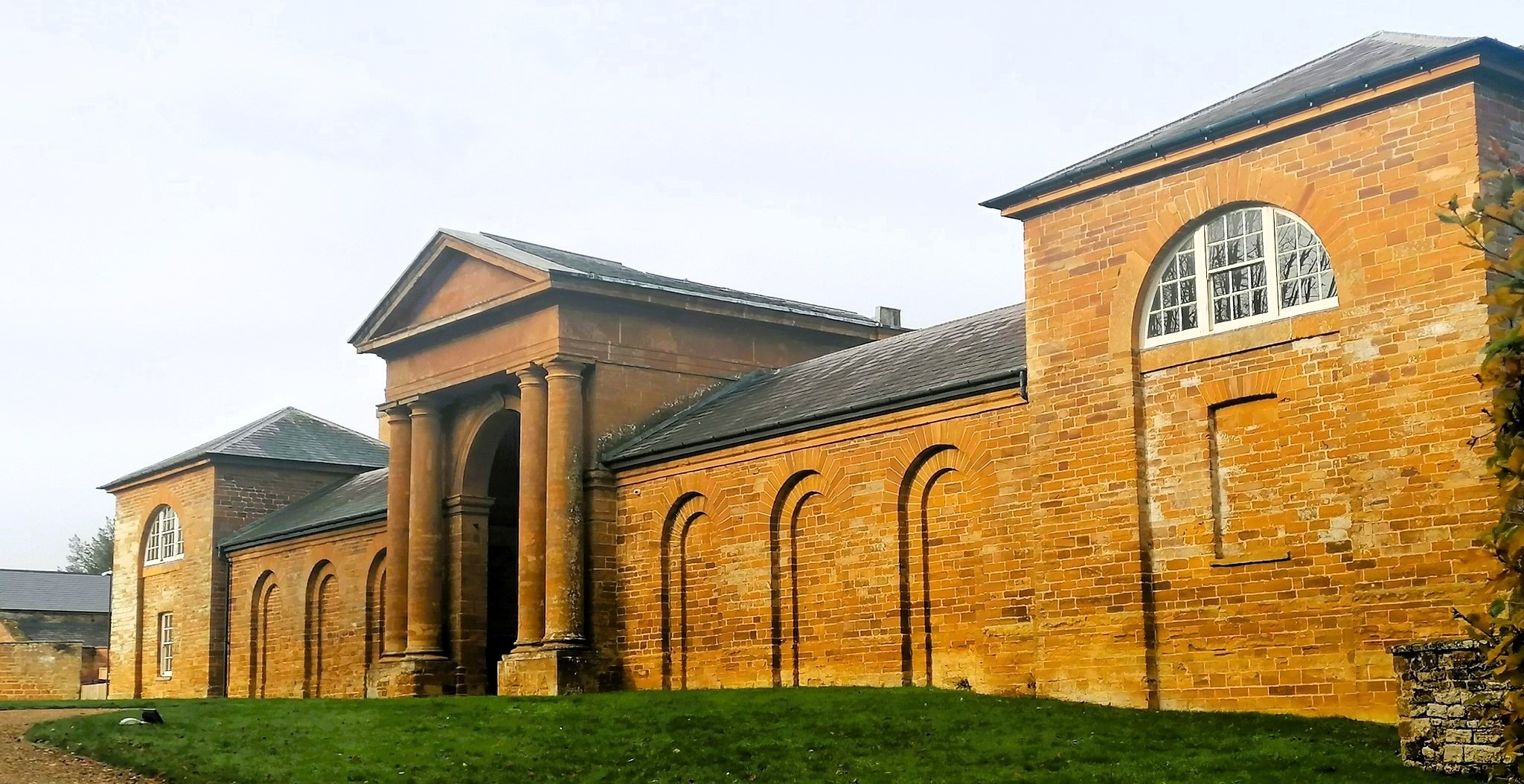
The last tenant of the former Harlestone House was the Duchess of Grafton who lived there till her death in 1928. After her death, the house was untenanted and fell into disrepair. In 1940 it was sold to demoltion contractors and pulled down.
The impressive stables that once stood on the site were developed for housing in the late 1990s.
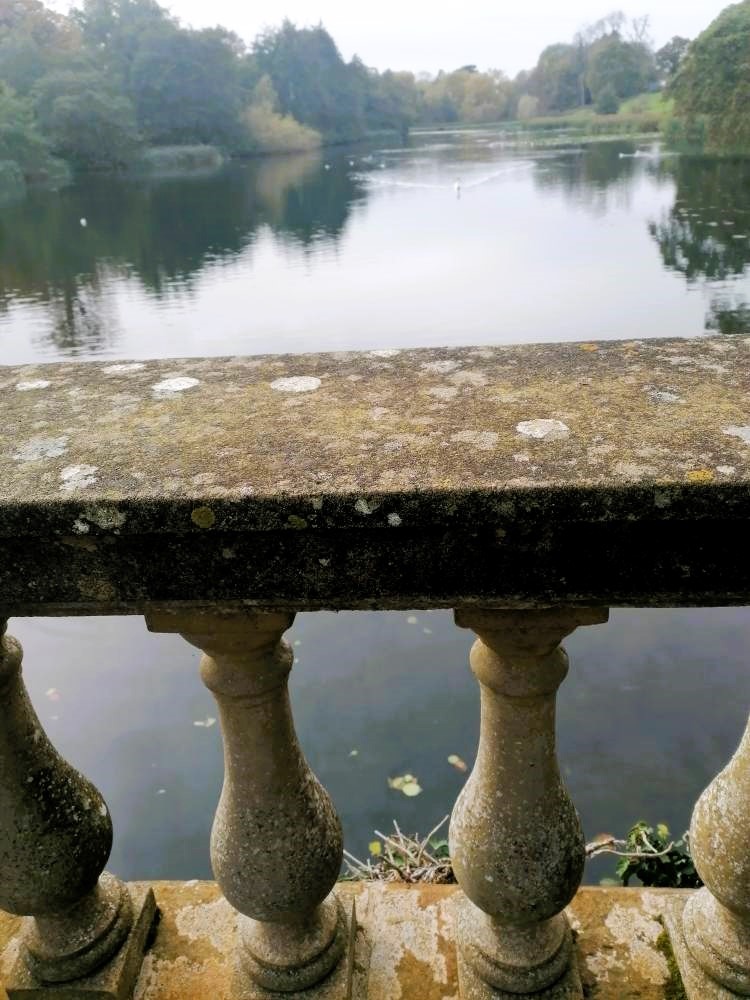
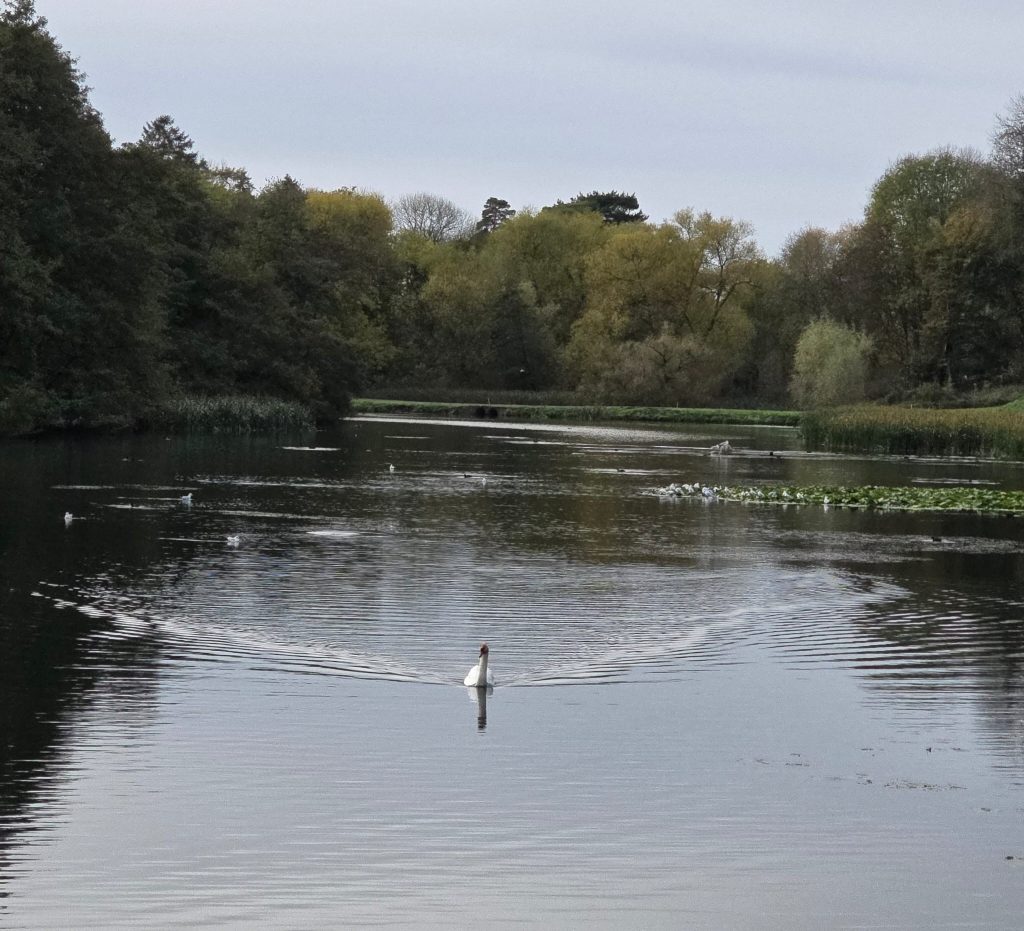
Historically the lake appears as part of the grounds and parkland of the former house.
/
The Burrow
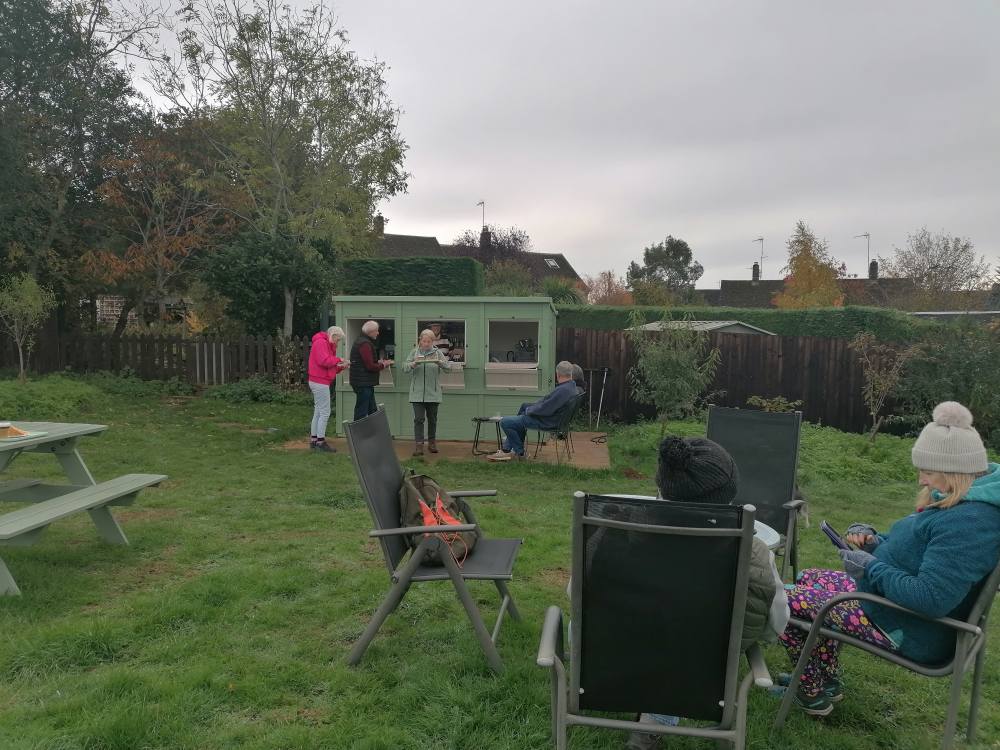
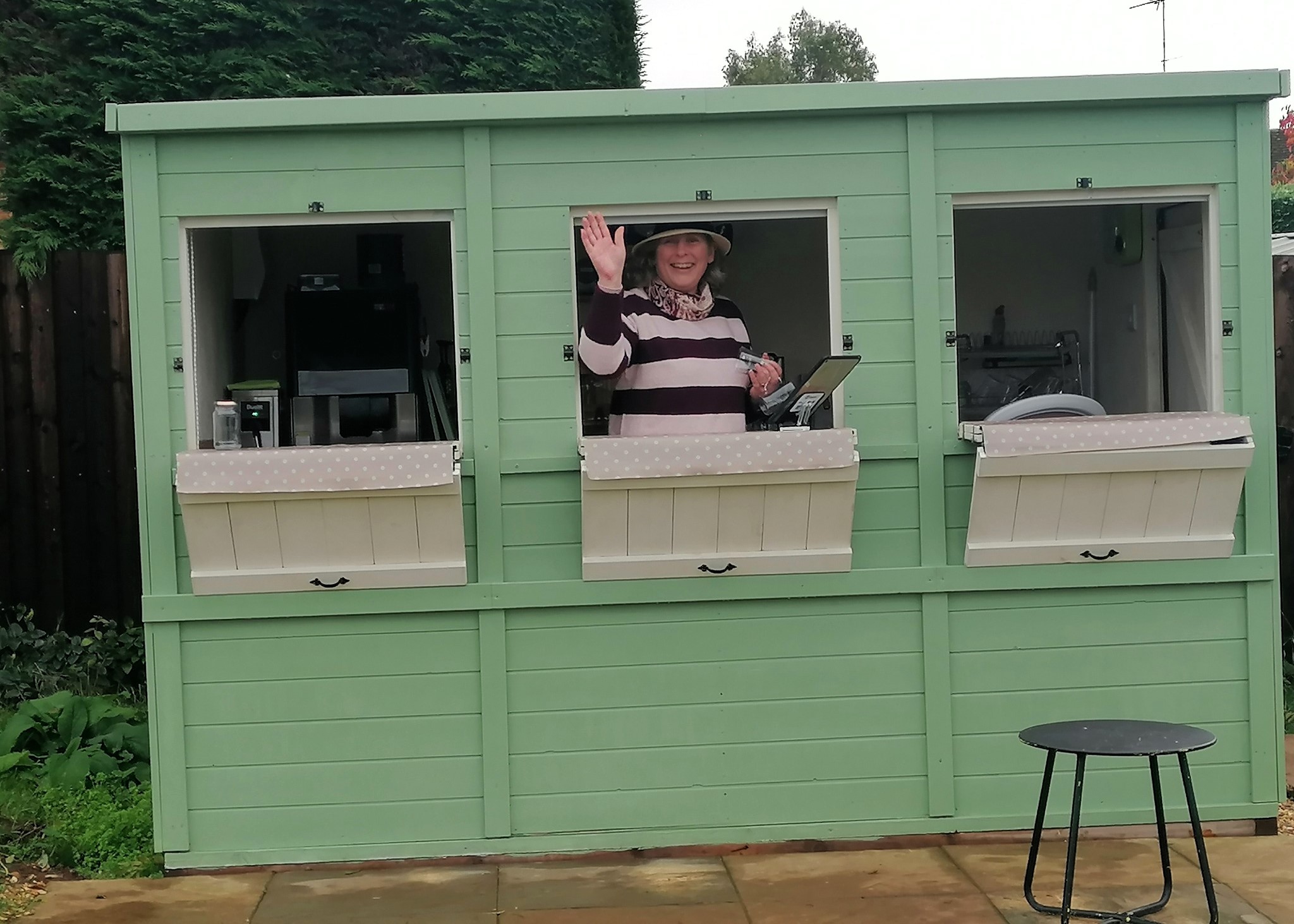
Tucked away along a footpath at the side of The Green, Upper Harlestone, lies The Burrow cafe.
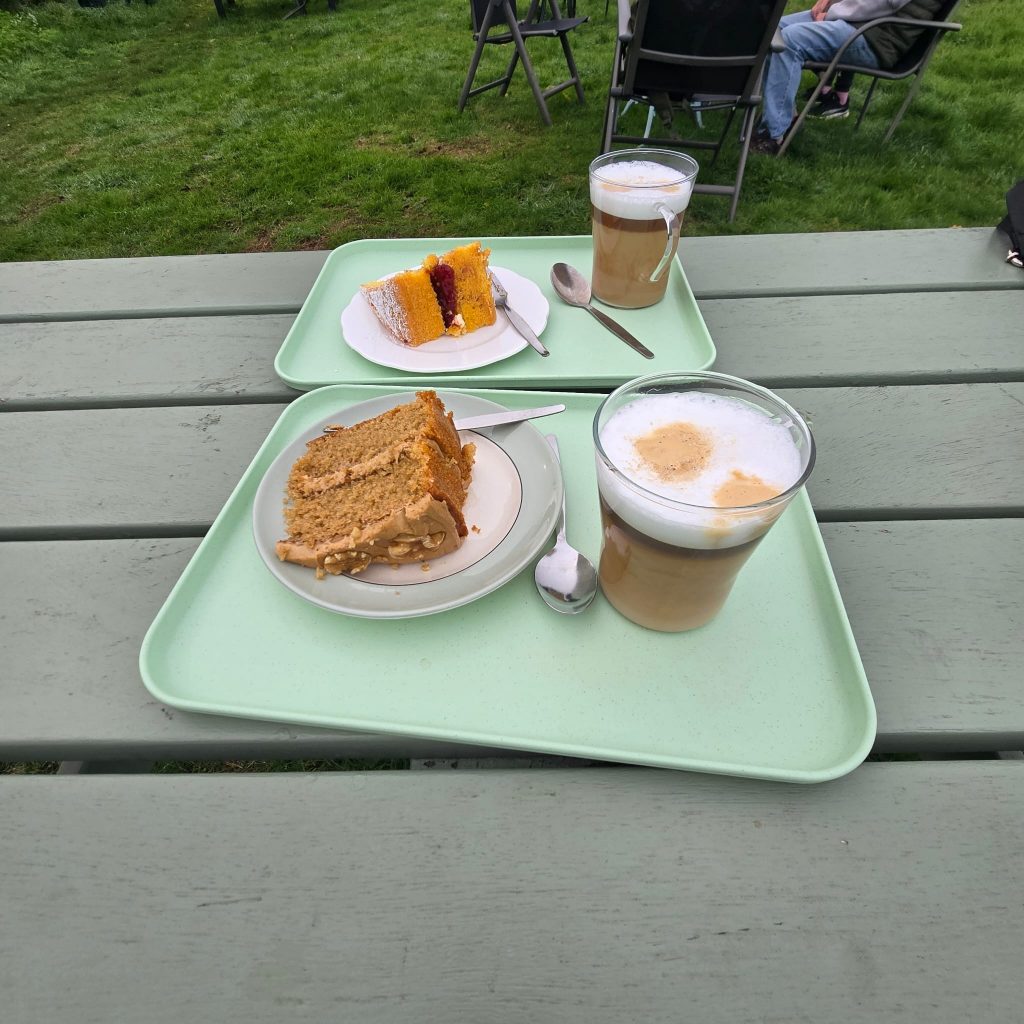
Rebecca Burrow set up the cafe only five months ago but it’s proving a charming spot to have a cup of coffee and slice of delicious homemade cake as you walk around the Harlestones.
“It’s become a lovely meeting point,” says Rebecca, “not just for walkers and residents, but for anyone who might be feeling a bit isolated. It gives people a chance to connect outdoors and enjoy being surrounded by nature.”
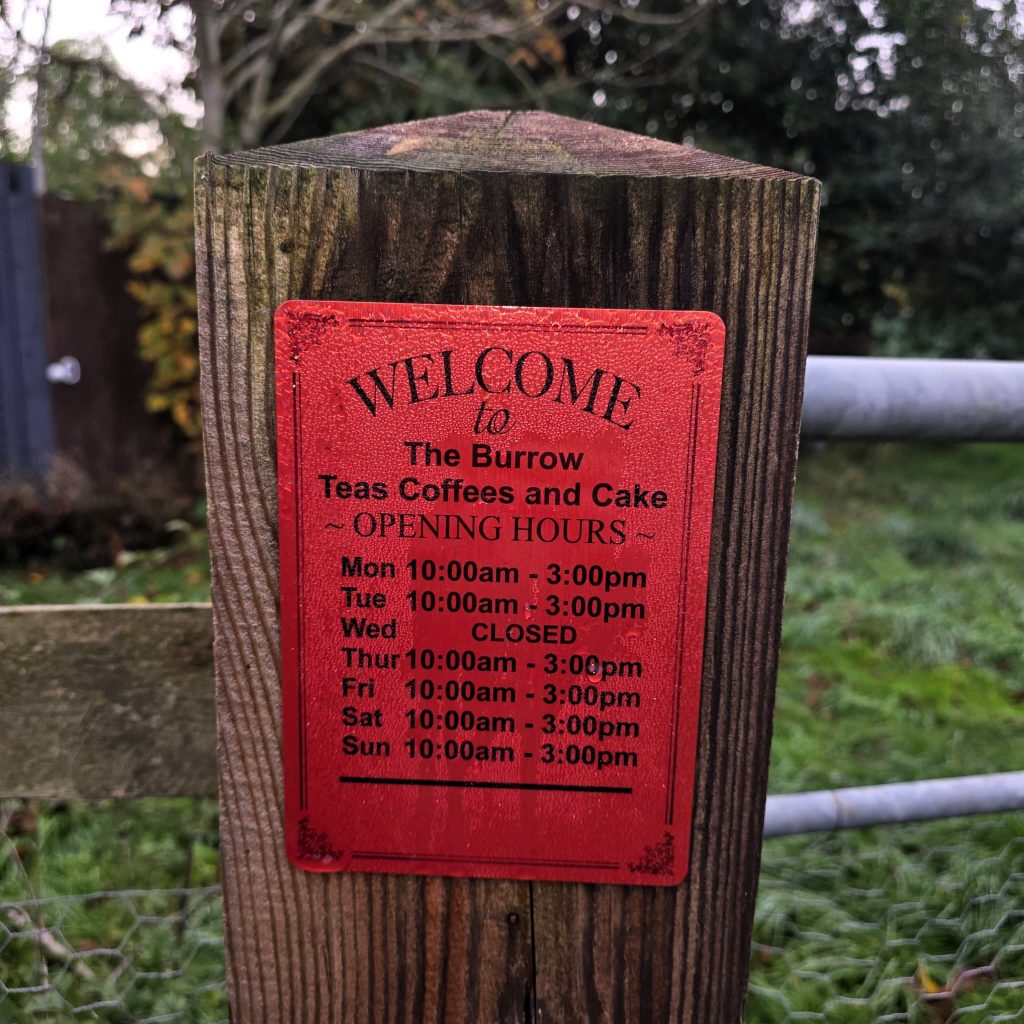
The Burrow is located along the footpath at the side of, The Green, Upper Harlestone, Northampton NN7 4EX. Check the sign below for opening times.
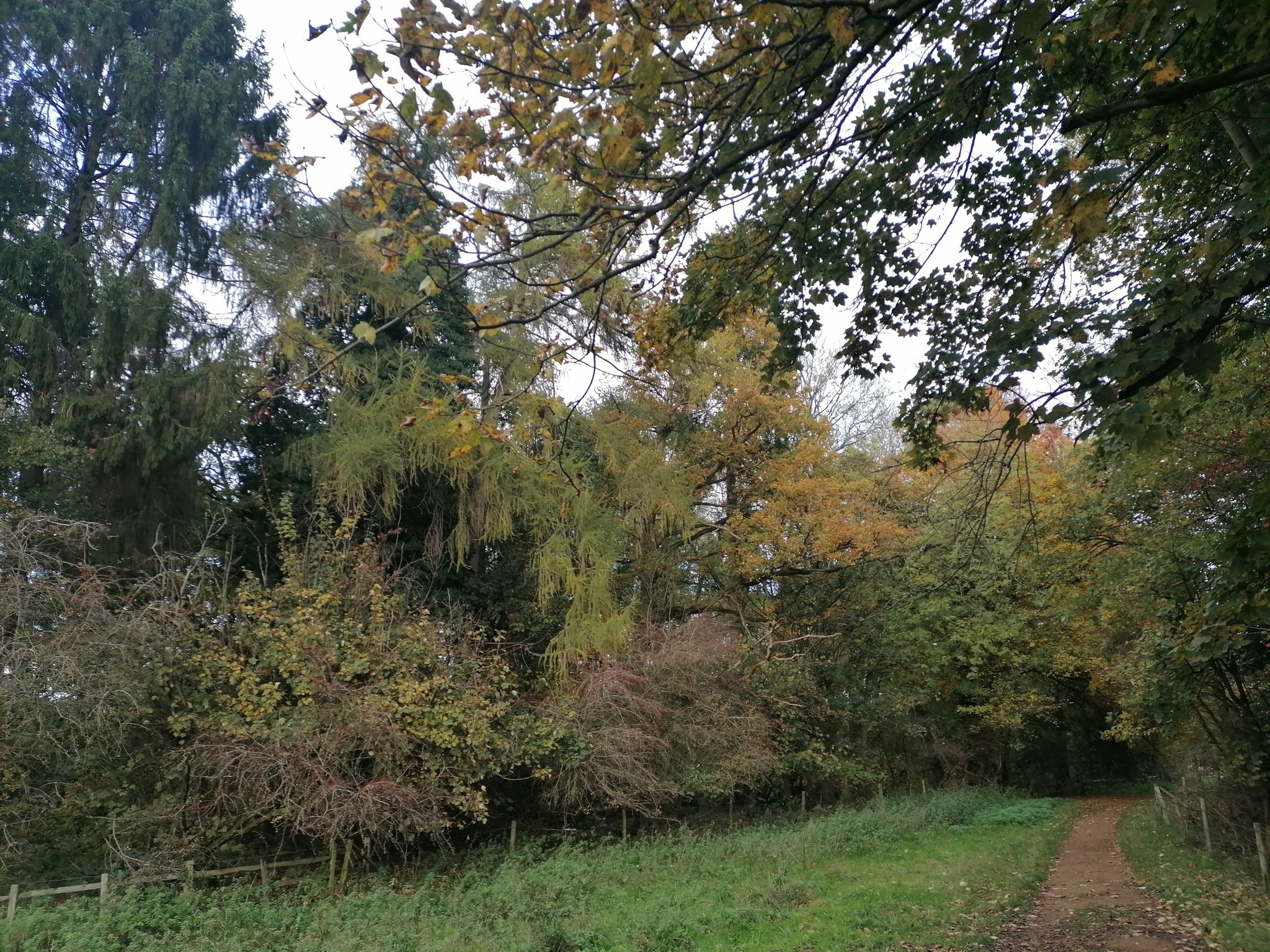
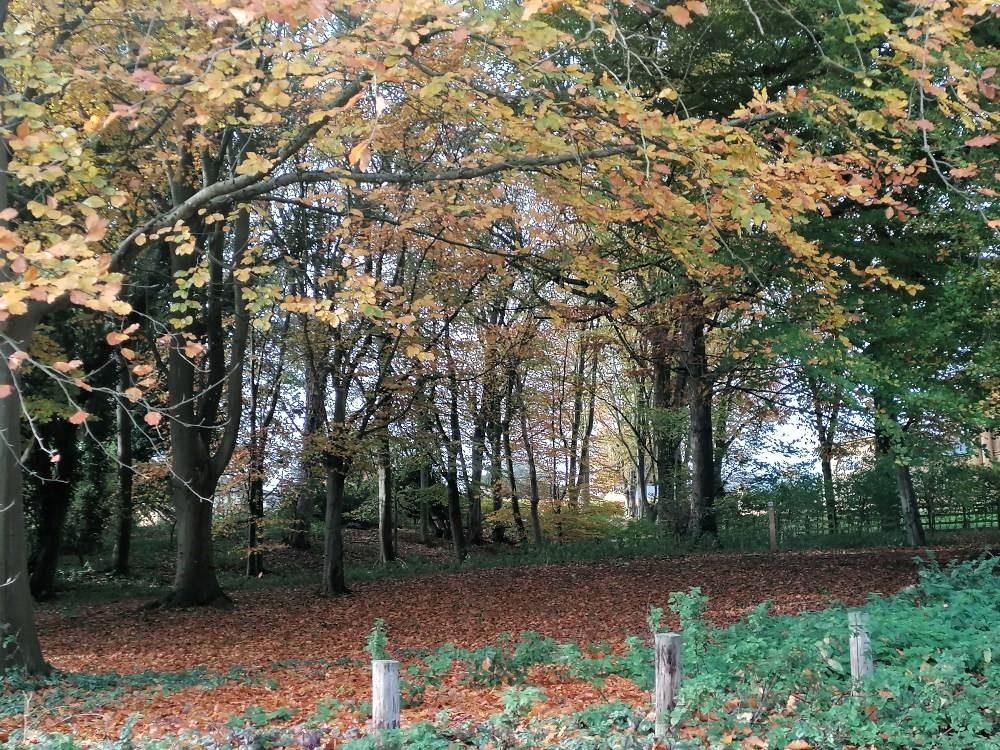
A stone’s throw away, Harlestone Firs is a woodland area of approximately 300 acres located on the north-western edge of Northampton (on the A428 between New Duston and Harlestone).
The land is owned by the Althorp Estate (the estate of the Spencer family).
It features woodland dominated by fir trees (hence the name “Firs”) but also other tree species and newer plantations.
A Welcoming Village
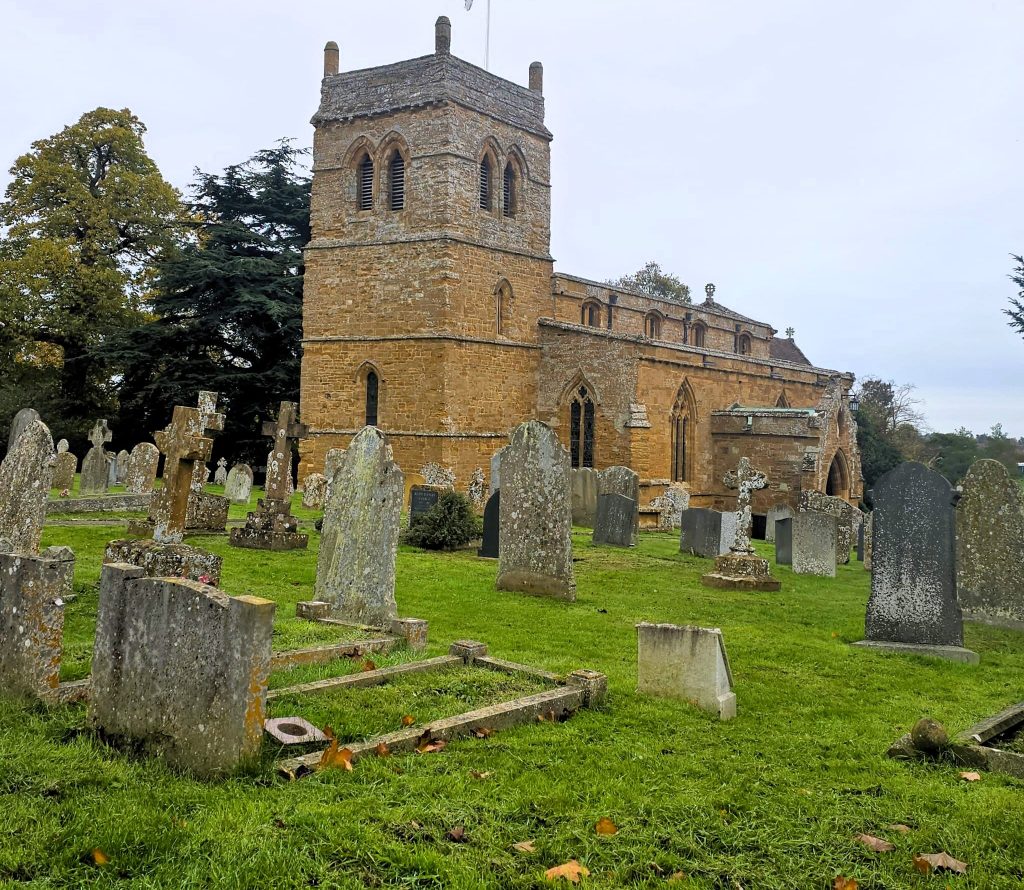
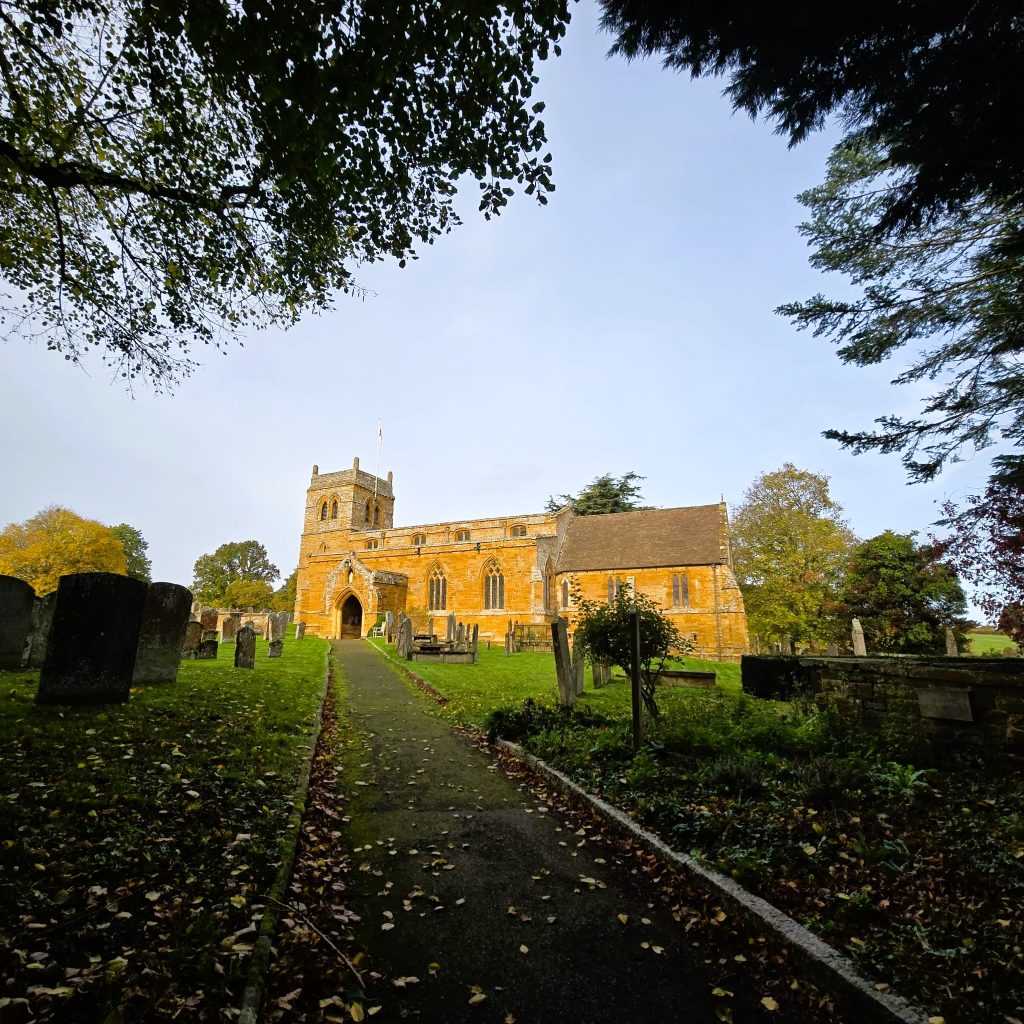
Regular events at St. Andrews Church
Tuesday Tea & Toast: Join over free fresh coffee and tea and just-baked bread and croissants and a natter 9am to 10.30 am every Tuesday.
Singing for Wellbeing: Alternates on the second Saturday of each month between Harlestone and Church Brampton at 2pm. You get to choose what is sung in a very relaxed setting.
House Group: Want to learn more about the bible in the relaxed setting of someone’s home? The House Group meets every Thursday from 7pm to 9pm on Harlestone Road.
For further details visit St. Andrew’s Church website: https://www.achurchnearyou.com/church/16414/
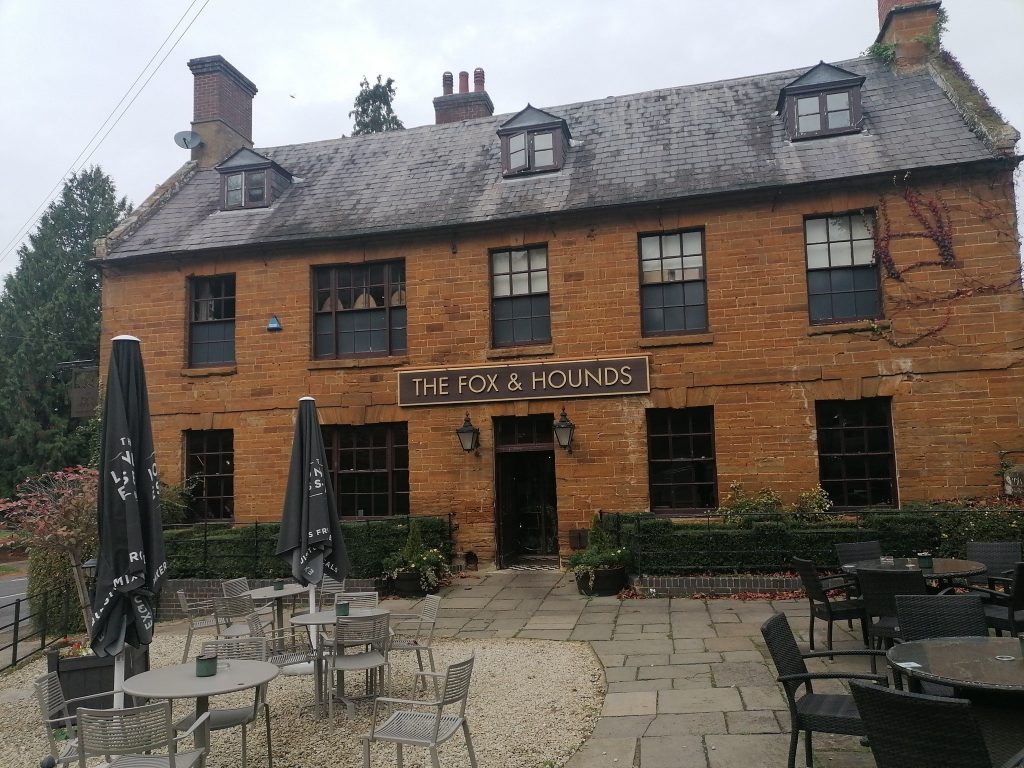
The Fox & Hounds on Harlestone Road has a long and storied past, with its origins believed to date back to the late 1700s or early 1800s. One source even suggests it first opened in 1702 — making it potentially more than 300 years old.
Photo Disclaimer:
All photographs featured in this series were taken from public streets and pathways. No private property was trespassed upon. Images are used for editorial purposes only, showcasing the charm and character of Northamptonshire villages, and are not intended to depict or identify residents.
Visiting Upper and Lower Harlestone on foot
The best way to see both villages is on foot and some excellent walking trails can be found online.
https://www.komoot.com/highlight/5507599
Verdict: With its beautiful historic buildings, history, lush landscape and trails, Harlestone deserves its place as one of Northamptonshire’s prettiest villages.
Enjoyed this piece? Don’t miss our feature on 10 of Northamptonshire’s Prettiest Villages: no. 10, Yardley Hastings